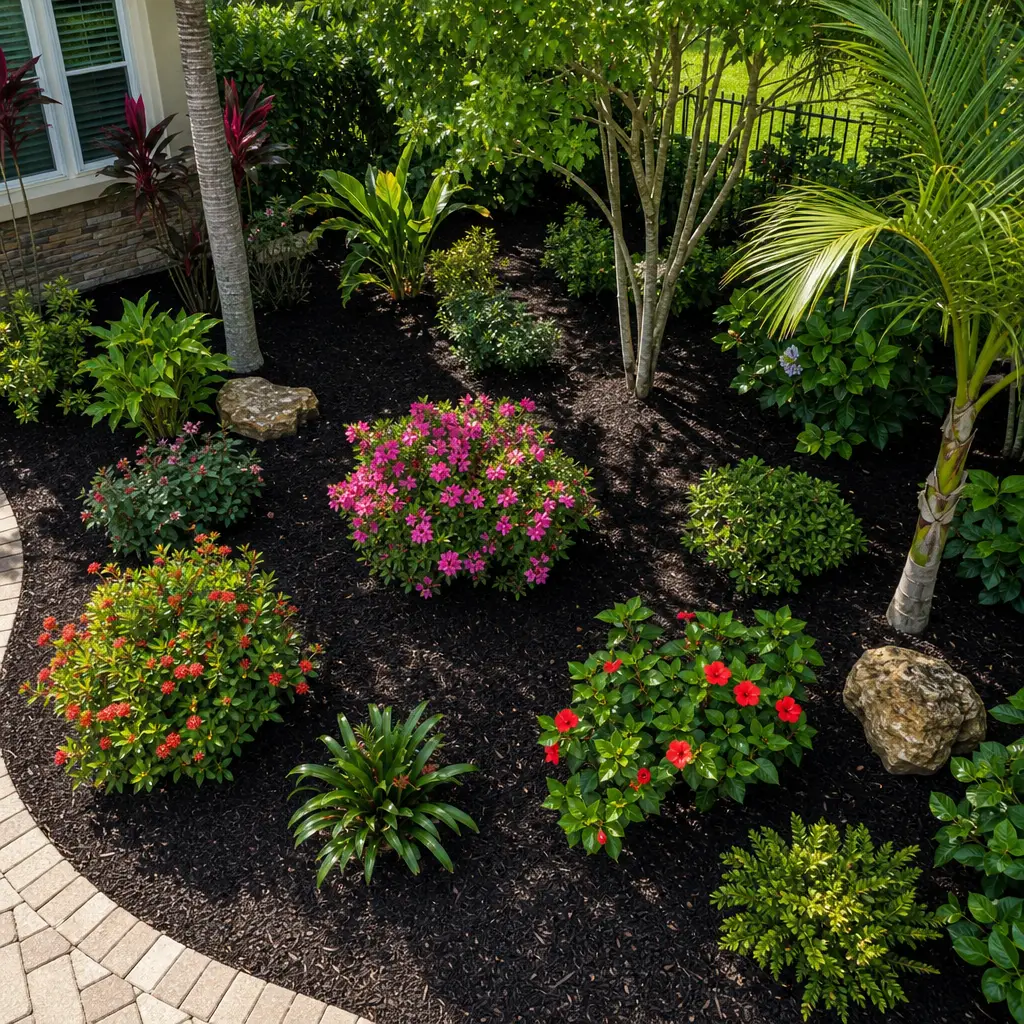
Pike Road summers are not gentle. Soil temperatures regularly push past 90 degrees Fahrenheit, and without proper ground cover, your landscaping investment can dry out, crack, and decline within weeks. Mulch installation in Pike Road, AL is one of the highest-return steps a homeowner can take before summer heat peaks, and the benefits go well beyond aesthetics. This article breaks down exactly how mulching protects your plants, preserves moisture, and reduces your maintenance burden through Alabama’s most demanding season.
Table of Contents
- Quick Takeaways
- Why Pike Road Heat Demands Mulching
- Moisture Retention: The Primary Benefit
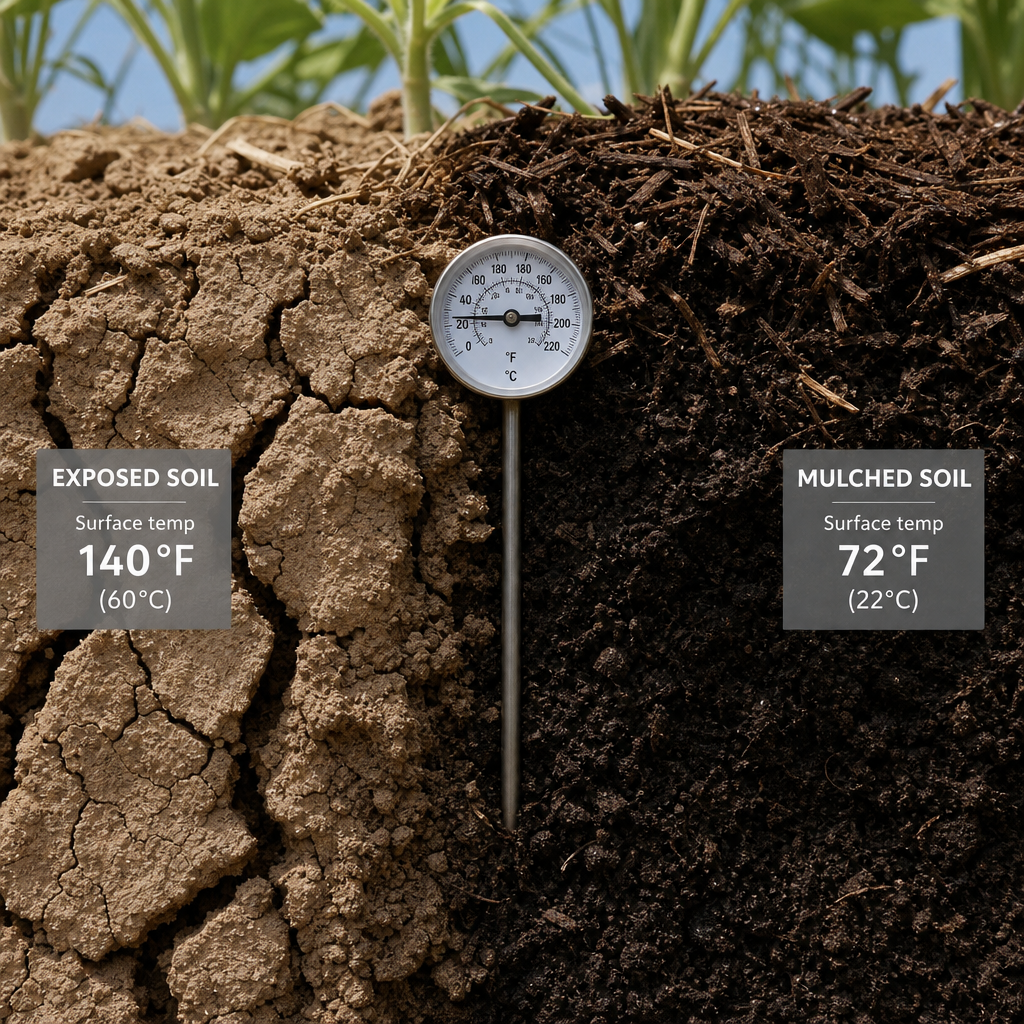
- Soil Temperature Regulation
- Weed Suppression in Alabama Summers
- Mulch Types Comparison
- How Professional Mulch Installation Differs
- Common Mulching Mistakes Pike Road Homeowners Make
- Summer Mulching Benefits: Alabama Timeline
- Frequently Asked Questions
- References
Quick Takeaways
| Key Insight | Explanation |
|---|---|
| Mulch reduces soil moisture loss by up to 50% | A 2-3 inch layer slows evaporation dramatically during peak Alabama heat, reducing how often you need to water. |
| Soil temperatures stay 10-15 degrees cooler under mulch | Cooler root zones help shrubs and trees survive Pike Road summers without stress-related decline. |
| Organic mulch improves soil structure over time | As hardwood or pine bark breaks down, it adds organic matter that benefits Alabama’s often clay-heavy soils. |
| Mulch suppresses up to 90% of common weed germination | Blocking sunlight at the soil surface stops most annual weeds before they start, cutting maintenance time significantly. |
| Correct depth matters: 2-3 inches is optimal | Too little provides minimal protection. Too much, especially over 4 inches, promotes fungal issues and root suffocation. |
| Mulch around shrub beds reduces irrigation costs | Homeowners who mulch properly report noticeably lower water bills during June through August in Alabama. |
| Pine straw and hardwood bark perform differently in Alabama heat | Each material has distinct advantages depending on plant type, slope, and drainage conditions in your yard. |
Why Pike Road Heat Demands Mulching
Pike Road, Alabama sits in USDA Hardiness Zone 8b, which means high heat, high humidity, and an extended growing season that places real stress on landscape plants. The average July high temperature in the Montgomery area exceeds 92 degrees Fahrenheit, and soil surface temperatures without cover can climb 20 to 30 degrees higher than the air temperature.
Without mulch landscaping in Alabama, bare soil bakes and forms a crust that repels water rather than absorbing it. Plant roots sitting in that environment experience heat stress, reduced nutrient uptake, and in severe cases, irreversible damage. This is not a theoretical risk. It is what happens in unmulched beds across Pike Road every July.
Applying mulch before the peak heat arrives is not a cosmetic decision. It is a protective measure, much like insulation in a house. The timing matters, and so does the execution.
Moisture Retention: The Primary Benefit
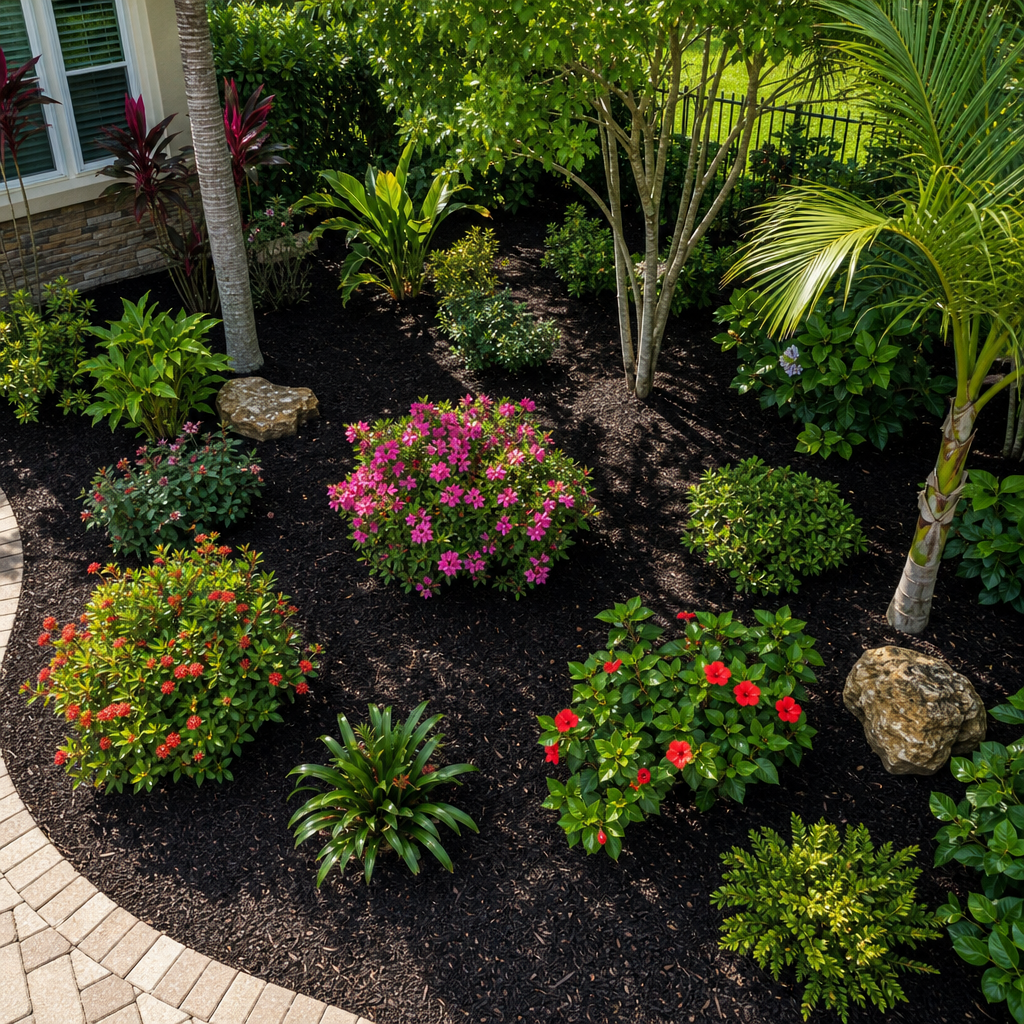
According to the University of Georgia Extension Service, organic mulch can reduce soil moisture evaporation by 25 to 50 percent compared to bare soil. In a Pike Road summer where temperatures stay above 85 degrees for weeks at a stretch, that difference determines whether your shrubs thrive or struggle.
“Mulching is one of the most beneficial practices a homeowner can use. Mulch reduces water loss from the soil, moderates soil temperature, and decreases weed competition.” – University of Florida IFAS Extension
In practice, this means a properly mulched bed around your azaleas or crape myrtles will hold moisture from a rainfall or irrigation cycle significantly longer than an unmulched bed. The soil stays workable and cool rather than turning powder-dry between watering sessions.
For homeowners in Pike Road who are on irrigation systems or who hand-water regularly, this translates directly to reduced water usage and lower bills. Mulch is one of the few lawn and landscape improvements that pays for itself during the same season it is installed.
How Much Water Mulch Actually Saves
A 2-3 inch layer of organic mulch can extend the time between necessary waterings by one to three days depending on soil type and plant density. Pike Road’s common clay-based soils actually hold moisture better than sandy soils to begin with, so when combined with mulch, the retention effect is even more pronounced.
The practical impact is that many homeowners who mulch their beds properly can reduce irrigation frequency from every two days to every three or four days during peak summer heat without seeing plant stress. That adds up to meaningful savings across a full Alabama summer.
Pro tip: Apply your mulch after a good soaking rain or after a deep irrigation session. You want to lock in existing moisture, not cover dry soil. Covering dry soil delays the benefit and leaves plants short on water until the next rainfall event reaches the root zone.
Soil Temperature Regulation
Root systems operate best within a specific temperature range. For most ornamental shrubs and trees common to Pike Road yards, including gardenias, knock-out roses, and Southern magnolias, root activity and nutrient absorption drop sharply when soil temperatures exceed 85 degrees Fahrenheit.
Research from the University of Florida IFAS Extension confirms that a 3-inch layer of organic mulch can reduce soil surface temperature by 10 to 15 degrees compared to exposed soil. That is the difference between a root zone that functions properly and one that shuts down defensive mechanisms and begins to decline.
Why This Matters for Alabama Landscaping Specifically
Alabama’s high humidity compounds heat stress on landscape plants. When soil temperatures spike, plants transpire more water through their leaves than their stressed root systems can supply. The result is wilting, leaf scorch, and premature defoliation, all visible signs of heat damage that reduce curb appeal and plant health simultaneously.
Summer mulching benefits in Alabama extend well beyond the surface. By keeping root zones cooler, mulch allows plants to maintain normal metabolic function through the summer months rather than entering survival mode. A plant that maintains healthy function all summer comes out of the season stronger and better positioned for fall growth.
Weed Suppression in Alabama Summers
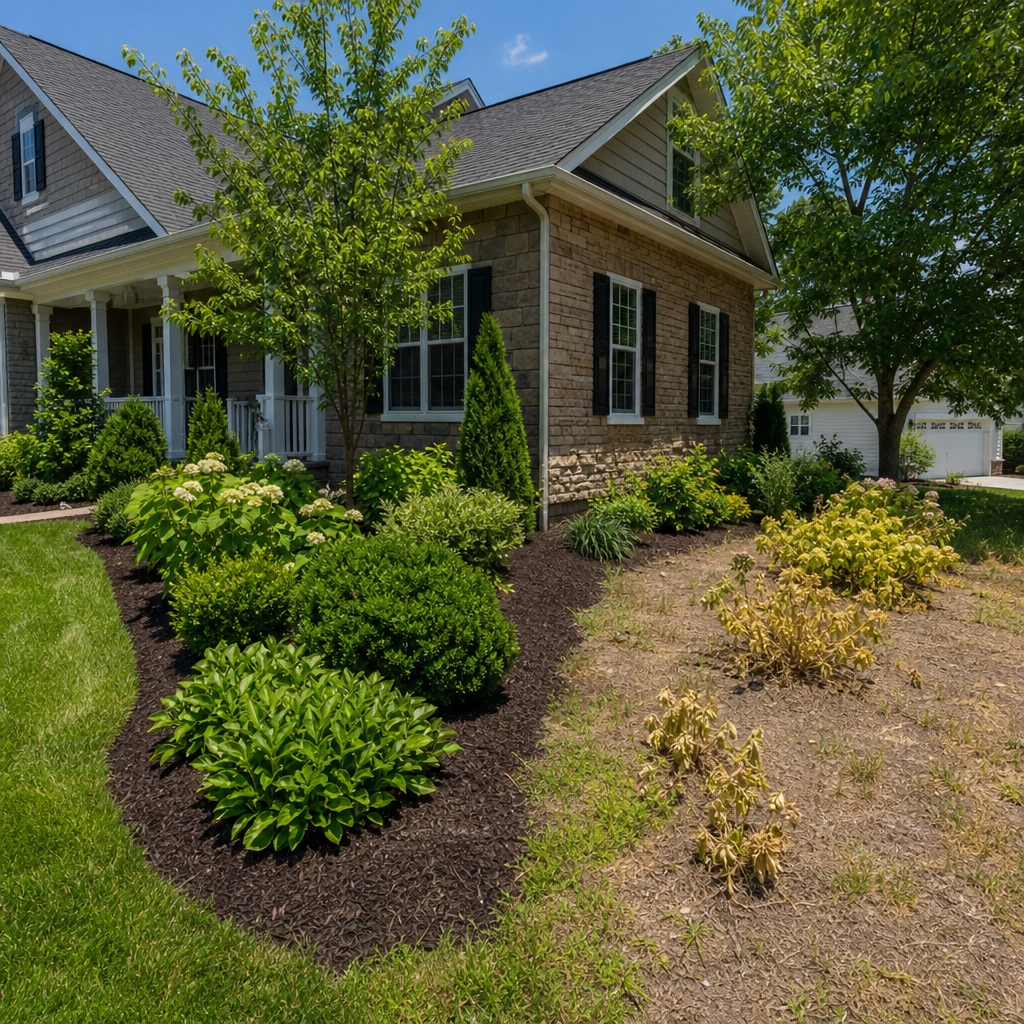
Alabama summers are prime germination season for crabgrass, nutsedge, and a range of broadleaf annual weeds. Without a physical barrier at the soil surface, weed seeds that blow in or sit dormant in your soil will germinate rapidly in the warm, moist conditions of a Pike Road summer.
A properly applied mulch layer of 2-3 inches blocks sunlight at the soil surface and prevents the vast majority of annual weed seeds from germinating. The University of Alabama Extension estimates that effective mulching can suppress 75 to 90 percent of common annual weed germination in ornamental beds.
The Real Cost of Weeds in Landscaped Beds
Weeds compete directly with your landscape plants for water and nutrients. In summer, when both resources are already under pressure from heat, that competition puts additional stress on ornamentals. Weeds also make beds look neglected and undermine the visual impact of professionally maintained landscaping.
Homeowners who skip mulching often spend hours pulling weeds through July and August, or they pay for repeated herbicide applications. A single professional mulch installation in Pike Road, AL replaces that recurring labor cost with one upfront investment that stays effective for months.
Pro tip: If your beds have an existing weed problem, address it before mulching. Laying mulch over established perennial weeds like nutsedge does not kill them. Have the bed weeded first, then apply mulch to prevent new germination. This sequence makes the mulch work as intended.
Mulch Types Comparison
Not all mulch materials perform the same way in Alabama’s summer climate. Choosing the right type for your specific yard conditions makes a measurable difference in protection and longevity. Below is a comparison of the three most common options used in Pike Road landscaping.
| Mulch Type | Best Use Case in Pike Road | Key Consideration |
|---|---|---|
| Hardwood Bark Mulch | Ornamental shrub beds, foundation plantings, high-visibility areas | Breaks down into organic matter over 1-2 seasons, improving Alabama clay soils. Needs annual refresh. |
| Pine Straw | Slopes, acid-loving plants like azaleas and blueberries, wooded areas | Lightweight, resists washing on grades. Slightly acidifies soil over time, which benefits certain Alabama native plants. |
| Shredded Cypress Mulch | Beds requiring longevity, areas prone to heavy rain washing | Interlocks well and resists displacement during Alabama’s summer thunderstorms. Slower to decompose than hardwood. |
The right choice depends on what you are growing, the slope of the bed, and how frequently you want to refresh the mulch. In practice, most Pike Road homes with mixed ornamental plantings do well with hardwood bark mulch in visible front-yard beds and pine straw in back-yard naturalized areas.
How Professional Mulch Installation Differs
A common mistake homeowners make is treating mulch installation as a simple spreading task. The execution details matter significantly, and getting them wrong negates most of the protective benefits.
At Waters Edge Lawn Care, the mulch installation process starts with bed preparation: clearing existing weeds, shaping clean edges, and confirming drainage patterns before any material is placed. The goal is to install mulch in a way that enhances every other landscaping element already in place, from the shrubs and trees to the lawn edges and hardscaping.
The Volcano Mulching Problem
One of the most damaging mistakes in amateur mulch application is piling mulch against tree trunks in a cone or volcano shape. This traps moisture against the bark, promotes fungal disease, and can cause cambium rot that kills established trees over several years. The correct approach is to keep mulch 2-3 inches away from any trunk or stem and maintain a flat or slightly concave profile, not a mound.
Professional installation ensures this detail is handled correctly for every plant in every bed. When Waters Edge Lawn Care completes a mulch installation for a Pike Road homeowner, the result protects the plants rather than inadvertently damaging them.
Depth Consistency Across the Entire Bed
Inconsistent depth is another professional-versus-DIY differentiator. Thin spots allow weed germination and provide inadequate moisture retention. Overly thick areas, particularly anything over 4 inches, restrict oxygen to roots and can cause anaerobic soil conditions. Consistent 2-3 inch depth requires attention across the full bed area, including corners and edges where depth is easiest to miss.
Common Mulching Mistakes Pike Road Homeowners Make
The data consistently shows that homeowners who mulch their own beds often see diminished results not because mulching does not work, but because common application errors reduce its effectiveness. Here are the mistakes that come up most often in Pike Road yards.
Applying mulch too late in the season is the most frequent timing error. By mid-July, soil has already been baking for weeks. Mulching in August still helps, but the window for maximum summer protection is May through early June, before the worst heat arrives. Waiting until you see stressed plants means you are reacting to damage rather than preventing it.
Using landscape fabric beneath mulch in ornamental beds is another problem. While fabric seems logical, it prevents organic mulch from improving soil structure, impedes water penetration in heavy rains, and becomes a maintenance nightmare as roots grow through it over time. In practice, fabric under mulch in shrub beds causes more problems than it solves. Pre-emergent herbicides applied before mulching achieve weed control without the long-term fabric issues.
Mulch landscaping in Alabama also requires attention to mulch age. Year-old mulch that has broken down to a thin, compacted layer provides far less protection than fresh material. Annual refreshing, typically adding one inch of new mulch to restore depth, keeps the protective layer functional through each new summer season.
Summer Mulching Benefits: Alabama Timeline
Understanding when benefits kick in helps homeowners prioritize timing and set realistic expectations for what mulch installation delivers across the summer season.
Within the first week of proper mulch installation, moisture retention improves immediately. Soil under the mulch layer stays workable and moist noticeably longer after rain or irrigation. This benefit is active from day one.
Weed suppression becomes apparent within two to three weeks as the germination window for existing surface seeds closes. Any weeds that had already germinated before installation will need to be removed manually, but new germination drops sharply.
Soil temperature regulation is consistent throughout the entire mulched period. As long as the mulch layer stays at the correct depth, root zone temperatures remain lower than they would be in bare soil. This benefit is ongoing from installation through the end of the season.
Soil structure improvement from organic mulch is the longest-term benefit. As hardwood or pine bark breaks down, it adds organic matter that improves Pike Road’s clay-heavy soils over multiple seasons. This is cumulative: each year of mulching contributes to better soil structure the following year.
Frequently Asked Questions
When is the best time to install mulch in Pike Road, Alabama?
The optimal window for summer protection is late April through early June, before soil temperatures peak. Installing mulch during this period allows it to lock in spring soil moisture and moderate temperatures as summer heat builds. That said, mulching in summer is still worthwhile even if the timing is not perfect. Any reduction in heat and moisture stress is better than none.
How much mulch does a typical Pike Road shrub bed need?
Most residential beds need 2-3 inches of mulch depth to provide effective moisture retention, temperature regulation, and weed suppression. For a 100-square-foot bed, that equals roughly 1 cubic yard of bulk mulch or 3 to 4 large bags from a garden center. A professional installation includes accurate measurement and appropriate material quantities so you do not under-apply or over-apply.
Does mulch attract termites in Alabama?
This is one of the most common concerns Pike Road homeowners raise, and the answer is nuanced. Mulch itself does not attract termites. However, moist mulch pushed directly against your home’s foundation or wood siding can create conditions that termites exploit. The solution is simple: maintain a 6-inch gap between any mulch and your home’s foundation. Properly installed mulch with this clearance does not represent a meaningful termite risk.
How often should mulch be refreshed in Alabama’s climate?
Organic mulch in Alabama’s hot, humid climate breaks down faster than in cooler regions. Most Pike Road beds need a top-dress refresh once per year, typically in spring before peak summer heat. This usually means adding about 1 inch of new material to restore depth lost to decomposition. Beds with finer-textured mulch may need refreshing twice per year if the material breaks down quickly.
Is pine straw or hardwood mulch better for Alabama yards?
Both work well in Alabama, and the best choice depends on your specific plants and yard conditions. Pine straw is lighter, knits together well on slopes, and suits acid-loving plants like azaleas and gardenias. Hardwood bark mulch provides longer-lasting coverage in flat beds, decomposes into soil-improving organic matter, and has a more manicured visual appearance for front-yard landscaping. Many Pike Road homeowners use both, choosing each type based on where it performs best in their specific yard.
Can Waters Edge Lawn Care handle mulch installation along with other landscaping services?
Yes. Waters Edge Lawn Care provides mulch installation as part of comprehensive landscaping services for Pike Road and surrounding communities. Mulch installation is most effective when combined with proper bed edging, shrub trimming, and seasonal cleanup, which is exactly the kind of integrated service Waters Edge delivers. Homeowners can request a free quote to get a complete picture of what their property needs before summer heat arrives.
If you have used mulch in your Pike Road yard and noticed a difference this summer, share your experience or questions with us. We would like to hear what worked and what did not.
We would love your feedback and any insights you would share with others. What perspective would you add?
References
- University of Georgia Extension Service: research and guidance on landscape management and soil health in the Southeast
- University of Florida IFAS Extension: peer-reviewed research on mulching practices, soil temperature, and plant health in warm climates
- USDA Agricultural Research Service: data on soil moisture management, evapotranspiration, and sustainable landscaping practices
- U.S. EPA WaterSense program: resources on water-efficient landscaping strategies that reduce irrigation demand
- Alabama Cooperative Extension System: Alabama-specific recommendations for landscaping, mulching, and plant care in local soil and climate conditions