Most homeowners in Pike Road and the greater Montgomery area treat summer as a maintenance-only season, mowing weekly and calling it done. That approach leaves real damage on the table. Summer debris, including dead grass clippings, storm-knocked branches, and accumulated organic matter, creates conditions that actively harm Alabama lawns throughout the hottest months of the year. Seasonal lawn cleanup Alabama is not a fall-only task. Ignoring summer debris removal leads to fungal disease, pest harborage, and turf suffocation, problems that cost far more to fix in September than to prevent in June.
Table of Contents
- Quick Takeaways
- Why Summer Debris Removal Matters in Alabama
- What Counts as Summer Debris in Alabama Yards
- The Real Damage Summer Buildup Causes
- Cleanup Approaches Compared
- How Professional Seasonal Cleanup Works at Waters Edge
- DIY vs. Professional Summer Cleanup in Pike Road, AL
- Timing Your Summer Cleanup for Alabama Conditions
- Frequently Asked Questions
- References
Quick Takeaways
| Key Insight | Explanation |
|---|---|
| Summer debris harms Alabama turf actively, not just cosmetically | Piled clippings and branches trap heat and moisture, creating ideal conditions for brown patch fungus and pest infestation in Bermuda and Zoysia grass common throughout Pike Road. |
| Thatch over half an inch is the tipping point | The University of Florida IFAS Extension identifies thatch exceeding 0.5 inches as the level at which water and fertilizer penetration drops significantly, directly hurting root health. |
| Storm debris after Gulf-influenced summer storms must be removed within 48 hours | Wet leaves and branches sitting on Alabama turf longer than two days accelerate crown rot and invite fungal spread, especially during July and August when humidity stays above 70 percent. |
| Edging and string trimming are part of debris management, not separate tasks | Overgrown edges trap debris at the lawn border, creating a cycle of buildup that feeds back into the turf. Clean edges during each cleanup visit stop this cycle before it starts. |
| Professional cleanup improves curb appeal and property value measurably | According to the National Association of Realtors, well-maintained landscaping can add 5 to 11 percent to a home’s resale value, making regular cleanup a financial decision, not just aesthetic. |
| Summer cleanup creates the foundation for fall fertilization success | Fertilizer applied to debris-free turf reaches root zones at least 30 percent more effectively than fertilizer applied over matted organic material, according to Alabama Cooperative Extension research guidelines. |
| Skipping summer cleanup costs more than doing it | Fungal treatments, overseeding after crown damage, and pest remediation routinely cost two to five times more than a professional seasonal cleanup package in the Pike Road and Montgomery area. |
Why Summer Debris Removal Matters in Alabama
Alabama summers are not like summers in Missouri or Virginia. The combination of temperatures consistently above 90 degrees Fahrenheit, relative humidity that rarely drops below 60 percent, and frequent afternoon thunderstorms creates a very specific set of conditions for lawn debris. Organic material decomposes faster, moisture gets trapped under debris layers more readily, and fungal spores spread more aggressively than in drier climates.
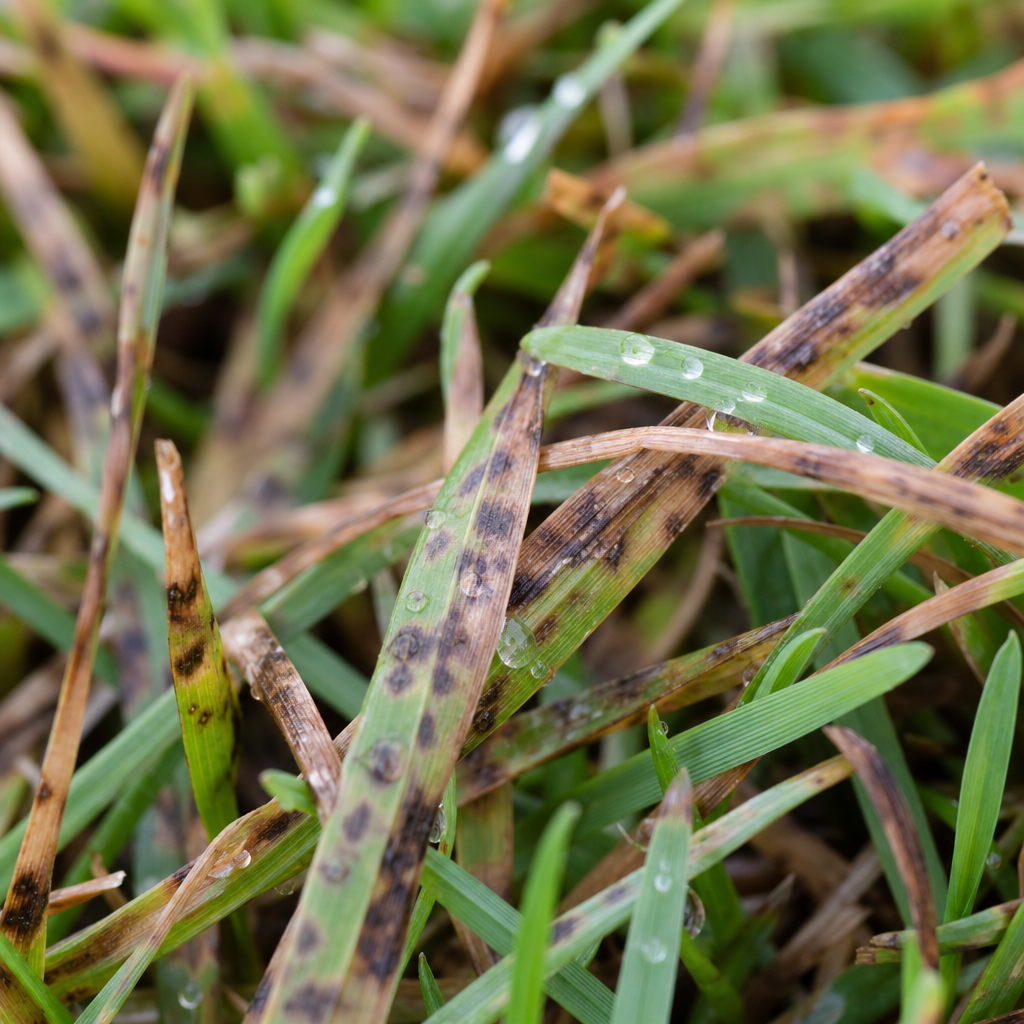
In practice, a pile of storm-knocked branches left on a Bermuda grass lawn in Pike Road for a week in July creates a perfect microclimate for brown patch fungus, one of the most damaging turf diseases in Alabama. The debris shades the soil, traps moisture, and restricts airflow, exactly the three conditions brown patch needs to establish and spread. Lawn debris removal Alabama homeowners treat as optional is actually a disease prevention step.
The data consistently shows that turf health in hot, humid climates degrades faster from organic debris accumulation than from drought or heat alone. Alabama Cooperative Extension System research on warm-season grasses confirms that surface debris acts as a multiplier for both fungal disease and insect pest pressure during summer months. Removing that debris is not cosmetic housekeeping. It is active turf management.
What Counts as Summer Debris in Alabama Yards
Homeowners often picture debris as fallen leaves, which is a fall association. Summer debris in Alabama yards looks different and accumulates from different sources. Knowing what you are actually dealing with makes cleanup decisions much clearer.
Storm-Generated Material
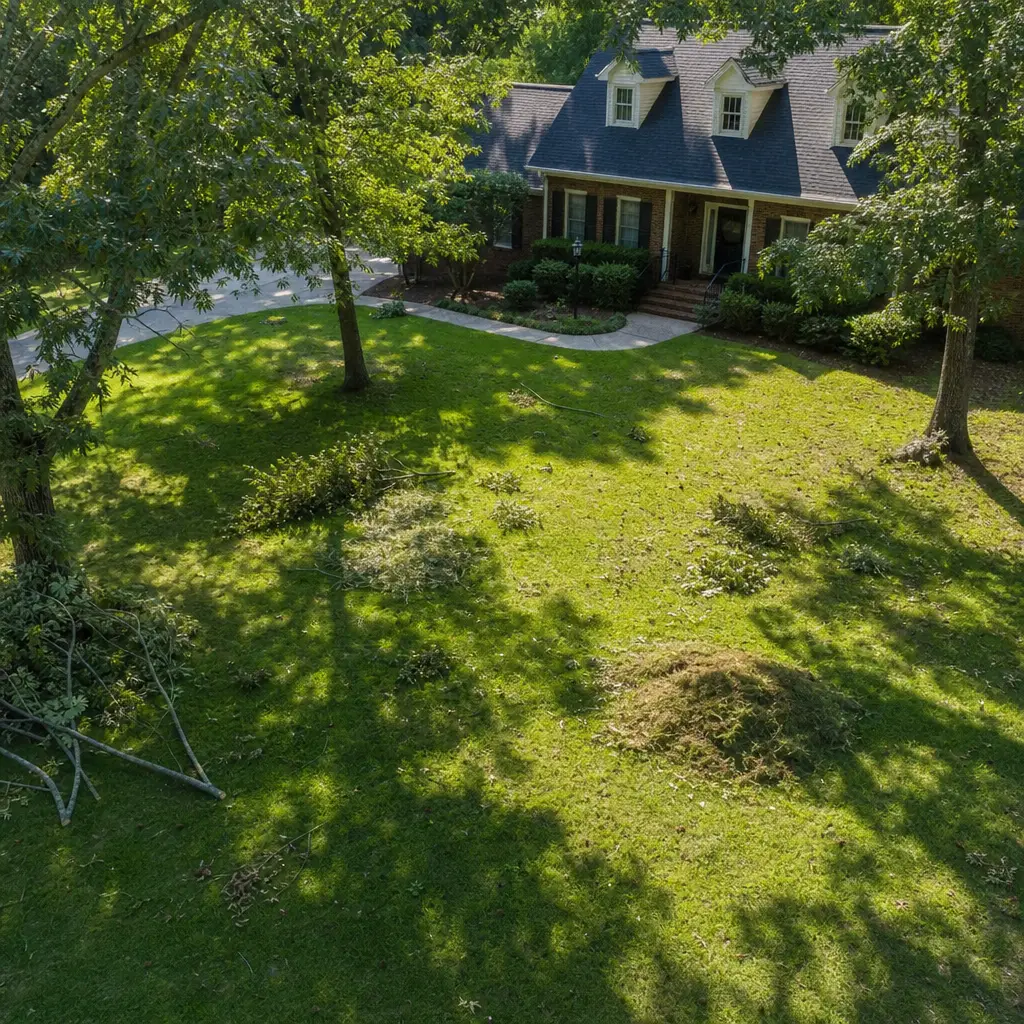
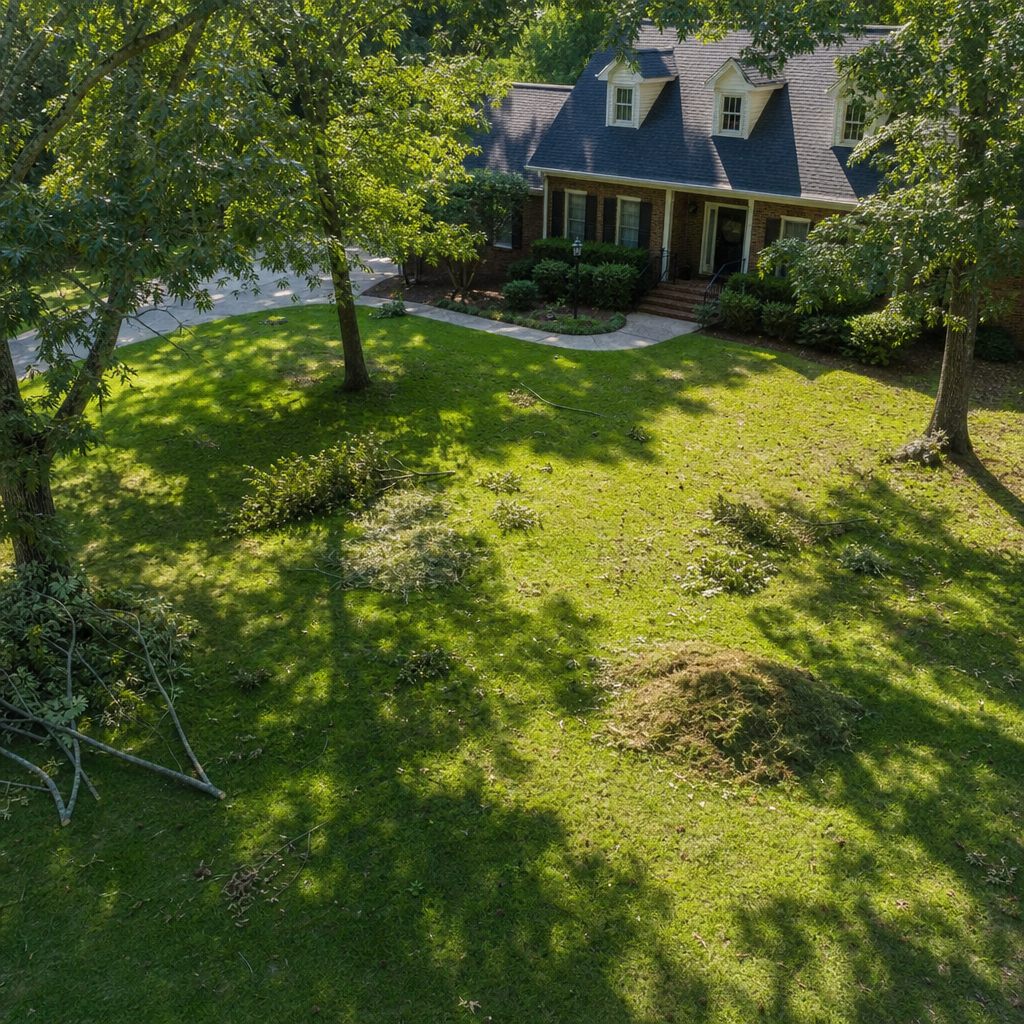
Gulf-influenced weather systems push through Alabama from June through September, dropping branches, pine cones, Spanish moss fragments, and sometimes full limbs across lawns in a single afternoon. These are not minor additions. A mid-sized limb sitting on turf for several days kills the grass underneath through a combination of shading and physical compression on the crowns.
Grass Clipping Accumulation
A common mistake is assuming that mowing alone handles clipping debris. When mowing is done infrequently or grass is cut too long at once, clipping piles form rather than dispersing. Clipping piles thicker than a quarter inch do not decompose quickly enough to avoid smothering the turf below them. In Alabama’s heat, they mat down within days.
Thatch Buildup from Warm-Season Grasses
Bermuda grass and Zoysia grass, both extremely common in Pike Road yards, produce thatch aggressively during peak growing season. Thatch is not surface debris in the traditional sense but it functions the same way, blocking water, air, and nutrients from reaching roots. Summer is when thatch buildup accelerates fastest, making mid-season mechanical removal or dethatching a legitimate part of summer cleanup Pike Road AL service plans.
Weed Material After Treatment
Dead weeds left in place after herbicide treatment become another form of surface debris. They dry into a matted layer that traps moisture at the soil surface. Removing treated weed material promptly is a step many DIY homeowners skip and professionals include as a standard practice.
The Real Damage Summer Buildup Causes
The consequences of skipping seasonal lawn cleanup during Alabama summers are not subtle. They show up as brown patches, thinning turf, insect infestations, and lawn edges that look increasingly ragged no matter how often the lawn gets mowed. Understanding exactly what is happening at the turf level makes the case for regular cleanup impossible to argue against.
Fungal Disease Establishment
Brown patch, dollar spot, and pythium blight are all active threats in Alabama summer turf. Each of these diseases requires sustained moisture and reduced airflow to establish, conditions that debris provides reliably. Brown patch alone can destroy large sections of Bermuda or Zoysia turf within 72 hours under the right conditions. Debris removal directly reduces disease risk by eliminating the microclimate these pathogens depend on.
Pest Harborage and Population Growth
Fire ants, chinch bugs, and grubs all use summer debris as shelter and harborage. A layer of organic matter at the turf surface insulates ant mounds and gives chinch bugs protected feeding zones. Removing this material consistently keeps pest pressure lower throughout the summer without requiring increased pesticide applications.
“Thatch and surface debris create protected microclimates that shelter turf insects and pathogens from both heat and pesticide treatments, making cleanup the most undervalued pest management tool in warm-season lawn care.” – Alabama Cooperative Extension System, Lawn Management for Alabama Homeowners
Root Suffocation and Crown Damage
Grass crowns, the growing points at the base of turf plants, cannot tolerate sustained coverage. Even a moderate layer of debris sitting on turf for several days in Alabama’s summer heat causes crown damage that manifests as thinning or dead spots. Once crowns are damaged, recovery requires overseeding or plugging, both significantly more expensive than regular debris removal.
Cleanup Approaches Compared
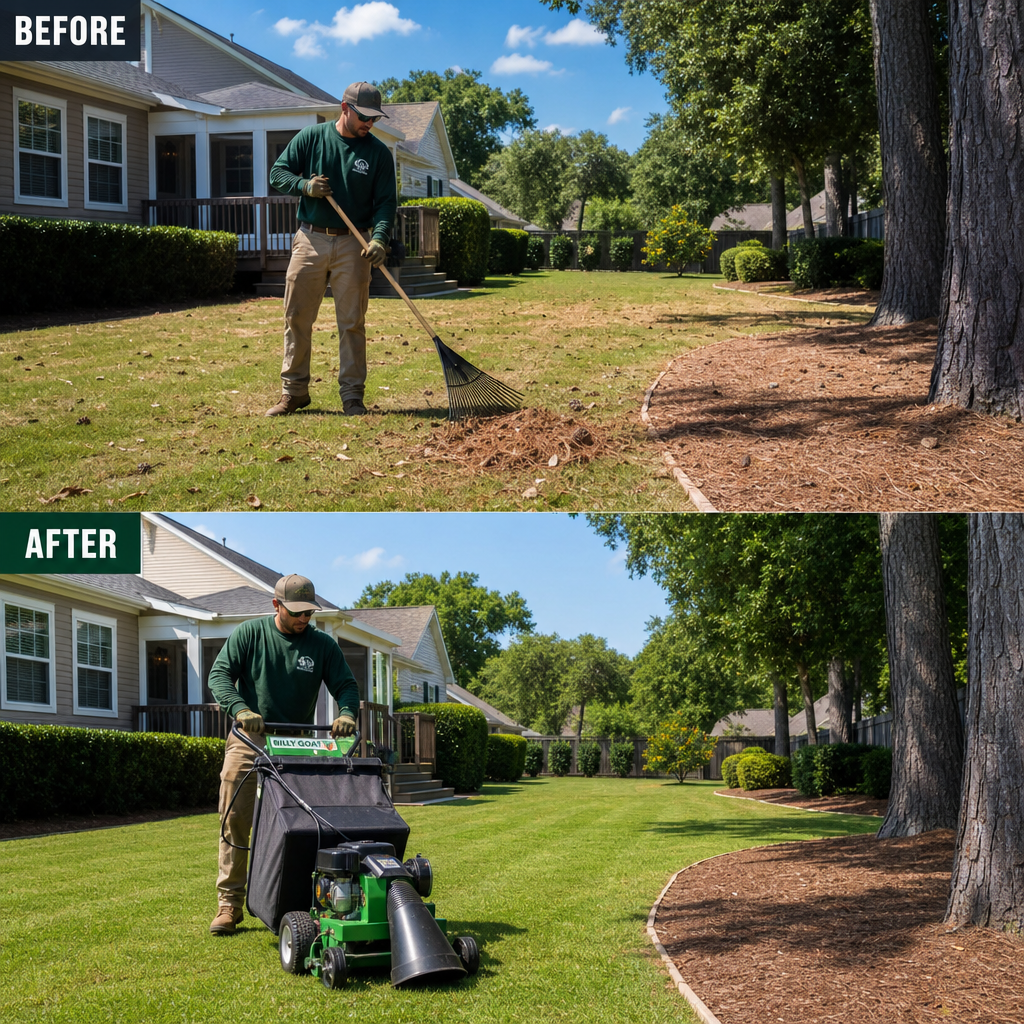
Not all summer cleanup approaches deliver the same results. The three main options homeowners in Pike Road and surrounding Alabama neighborhoods typically consider are DIY manual removal, DIY mechanical methods, and professional full-service cleanup. Here is how they compare on the factors that actually matter.
| Approach | Effectiveness for Alabama Summer Conditions | Cost and Time Reality |
|---|---|---|
| DIY Manual Removal (raking, bagging) | Addresses surface debris adequately for small yards but misses thatch, weed material, and edge buildup. Requires significant physical effort in 90-plus degree Alabama heat. | Low direct cost but high time investment. Risk of incomplete removal leading to turf damage and downstream repair costs that exceed professional service fees. |
| DIY Mechanical Methods (dethatching rake, blower) | More effective at thatch removal than manual raking. Still requires correct technique to avoid turf damage. Blowers spread fine debris without removing it unless bagging is added. | Equipment purchase or rental cost plus time. Dethatching incorrectly at the wrong season can set back turf recovery significantly in Alabama’s warm-season grass environments. |
| Professional Full-Service Seasonal Cleanup (Waters Edge Lawn Care) | Addresses all debris categories including thatch, storm material, weed residue, and edge buildup. Trained to identify early fungal or pest issues during cleanup and adjust approach accordingly. | Clear service fee with no hidden equipment or disposal costs. Saves 3 to 6 hours of physical labor per session in Alabama summer heat. Prevents downstream repair costs that routinely exceed cleanup fees. |
Pro tip: If you are going to attempt DIY dethatching in a Pike Road yard with Bermuda grass, wait until the grass is actively growing and temperatures are consistently above 75 degrees Fahrenheit. Dethatching dormant or heat-stressed Bermuda causes crown damage that takes weeks to recover from in the Alabama summer heat.
How Professional Seasonal Cleanup Works at Waters Edge
Waters Edge Lawn Care approaches summer seasonal cleanup as a complete turf health service, not just a pickup-and-haul operation. The difference between a cosmetic cleanup and one that actually protects your lawn comes down to process and attention to what is happening at the turf level, not just what is visible from the street.
Systematic Debris Assessment Before Removal
Before removing anything, a professional eye scans the lawn surface for signs of fungal activity, insect damage, and thatch depth. Debris removal that disturbs an active fungal colony without noting it first can spread spores across the lawn. Identifying problem areas first means cleanup addresses them correctly rather than accidentally worsening them.
Precision Edging and String Trimming as Part of Cleanup
Debris accumulates fastest at lawn edges, fence lines, and along hardscape borders. Precision edging and string trimming during cleanup removes the primary debris collection points and leaves a clean border that is far less hospitable to re-accumulation. This is not a separate service at Waters Edge. It is built into the cleanup process because it directly affects how fast debris returns.
Debris Removal and Disposal
All collected material leaves the property. This sounds obvious but it is a real differentiator. Some lower-cost operators blow debris to the property perimeter or pile it along fence lines, which does not solve the turf problem. It relocates it. Waters Edge removes debris from the site entirely, which is the only approach that actually reduces ongoing pressure on the lawn.
Pro tip: After a significant summer storm in the Pike Road area, do not wait for your next scheduled service to address downed branches and leaf litter. Contact Waters Edge for a targeted debris removal visit. The 48-hour window before fungal risk escalates significantly is short, and early intervention costs a fraction of what turf repair does later.
DIY vs. Professional Summer Cleanup in Pike Road, AL
The honest comparison between handling summer cleanup yourself and hiring Waters Edge comes down to three things: physical capacity in Alabama summer heat, knowledge of what to look for at the turf level, and the true cost of getting it wrong.
Working outdoors in Pike Road during July and August means working in heat index conditions that routinely reach 105 to 110 degrees Fahrenheit. The Centers for Disease Control and Prevention identifies sustained outdoor physical labor in those conditions as a significant heat illness risk. For many homeowners, particularly those over 50 or managing health conditions, summer lawn work is a genuine safety consideration, not just a convenience question.
Beyond the physical dimension, professionals catch problems during cleanup that homeowners routinely miss. Early brown patch, chinch bug feeding zones at turf edges, and areas where thatch is approaching the half-inch threshold are all visible to a trained eye. Catching these during a cleanup visit prevents calls for fungicide treatment or pest remediation later in the season. That early detection alone justifies professional involvement for most Pike Road homeowners with investment-grade landscaping.
Competitors in the Montgomery area, including services like those at affordablelandscapeandlawn.com and rjlawncareservicemgm.com, may offer lower base rates but often treat cleanup as a simple haul-away task rather than a turf health service. The difference shows in the lawn over a single season. A cleanup that does not include edging, thatch assessment, and edge trimming is an incomplete service regardless of what it costs.
Timing Your Summer Cleanup for Alabama Conditions
Alabama’s climate creates a specific summer cleanup calendar that differs meaningfully from general lawn care advice written for cooler or drier regions. Timing matters because the wrong intervention at the wrong time can stress turf that is already under heat pressure.
Early Summer: June Cleanup Focus
June is the window for addressing spring debris carryover and preparing turf for peak heat. Thatch that accumulated during spring growth should be addressed before temperatures climb above 95 degrees regularly. June seasonal cleanup in Alabama should include a thatch check and mechanical removal if needed, full debris clearance, and edge definition before summer growth fills in borders.
Mid-Summer: Storm Response in July and August
July and August are storm-response months. Planned cleanup sessions should be supplemented with rapid response after significant rain events. The 48-hour rule applies here: any debris deposited by a storm that sits on the turf longer than two days under Alabama summer humidity begins creating crown and fungal risk. Mid-summer cleanup visits should be shorter, more frequent, and focused on storm aftermath rather than deep mechanical work.
Late Summer: August Transition Prep
Late August cleanup sets up both turf health through the end of summer and positions the lawn for fall fertilization and overseeding if applicable. Removing the summer’s accumulated edge material, addressing any fungal-damaged sections identified during the season, and doing a final thatch check creates a clean starting point for the transition to cooler conditions. This is also the right moment to assess whether any sections need plugging or overseeding before growth rates drop in fall.
Frequently Asked Questions
How often should I schedule seasonal lawn cleanup during summer in Alabama?
For most Pike Road and Montgomery area homeowners, a minimum of three targeted cleanup visits during summer, in early June, mid-July, and late August, provides adequate coverage for debris management. Properties with significant tree cover, properties near wooded lots, or yards that experienced storm damage may need monthly or more frequent visits. Waters Edge can assess your specific property and recommend a schedule based on what the turf actually requires rather than a generic package.
Is summer lawn debris removal different from fall cleanup?
Yes, significantly. Fall cleanup in Alabama focuses primarily on leaf management and turf preparation for dormancy. Summer cleanup is about active disease and pest prevention during the highest-risk period for warm-season grasses. The debris types, the urgency of removal timelines, and the secondary turf health concerns are all different. Treating them the same way is a mistake that leads to avoidable turf damage.
Can leaving grass clippings on the lawn substitute for removing them as debris?
Dispersed grass clippings from a properly maintained lawn mowed at the right height do decompose quickly and can add organic matter back to the soil. The problem occurs when clippings are excessive, when they pile rather than disperse, or when the lawn was mowed infrequently and too much material is left at once. In those situations, clipping removal is necessary. A professional assessment of your mowing frequency and cutting height will determine which situation applies to your yard.
Does summer debris removal help with brown patch prevention in Alabama yards?
Directly, yes. Brown patch requires sustained moisture and restricted airflow to establish and spread. Debris on the turf surface provides both. Removing debris consistently, particularly after summer storms, eliminates the microclimate that brown patch depends on. It does not guarantee disease prevention on its own, but it is the single most impactful cultural practice for reducing brown patch risk without chemical intervention.
What should I do immediately after a summer storm in Pike Road before my scheduled cleanup?
Remove any large branches or limbs from the turf surface within 24 hours if you can do so safely. Do not attempt to rake wet turf aggressively because this can tear grass crowns that are already stressed. Focus on getting large debris off the grass surface to allow airflow to resume. Contact Waters Edge for a post-storm cleanup visit to handle the balance of material properly, particularly fine debris and any areas where coverage was heavy enough to risk fungal activity.
Does Waters Edge Lawn Care offer free quotes for summer seasonal cleanup in Pike Road, AL?
Yes. Waters Edge provides free quotes for seasonal cleanup services including summer debris removal, edging, string trimming, and full-service lawn maintenance for Pike Road and surrounding Alabama communities. The quote process includes an assessment of your specific property conditions so the service recommendation matches what your turf actually needs rather than a standardized package applied without evaluation.
If you have had experience with summer lawn debris damage in a Pike Road or Montgomery area yard, we would genuinely like to hear what you noticed first and what made the biggest difference when you addressed it.
We would love your feedback and any insights you would share with others. What perspective would you add?
References
- Alabama Cooperative Extension System: research-backed lawn and turf management guidance for Alabama homeowners
- Centers for Disease Control and Prevention: heat illness prevention guidelines for outdoor workers and homeowners in high-heat environments
- National Association of Realtors: research on landscaping and curb appeal as factors in residential property value and resale outcomes
- Statista: market data on lawn care and landscaping industry service trends in the United States
- U.S. Environmental Protection Agency: guidelines on organic debris management, composting, and yard waste disposal practices