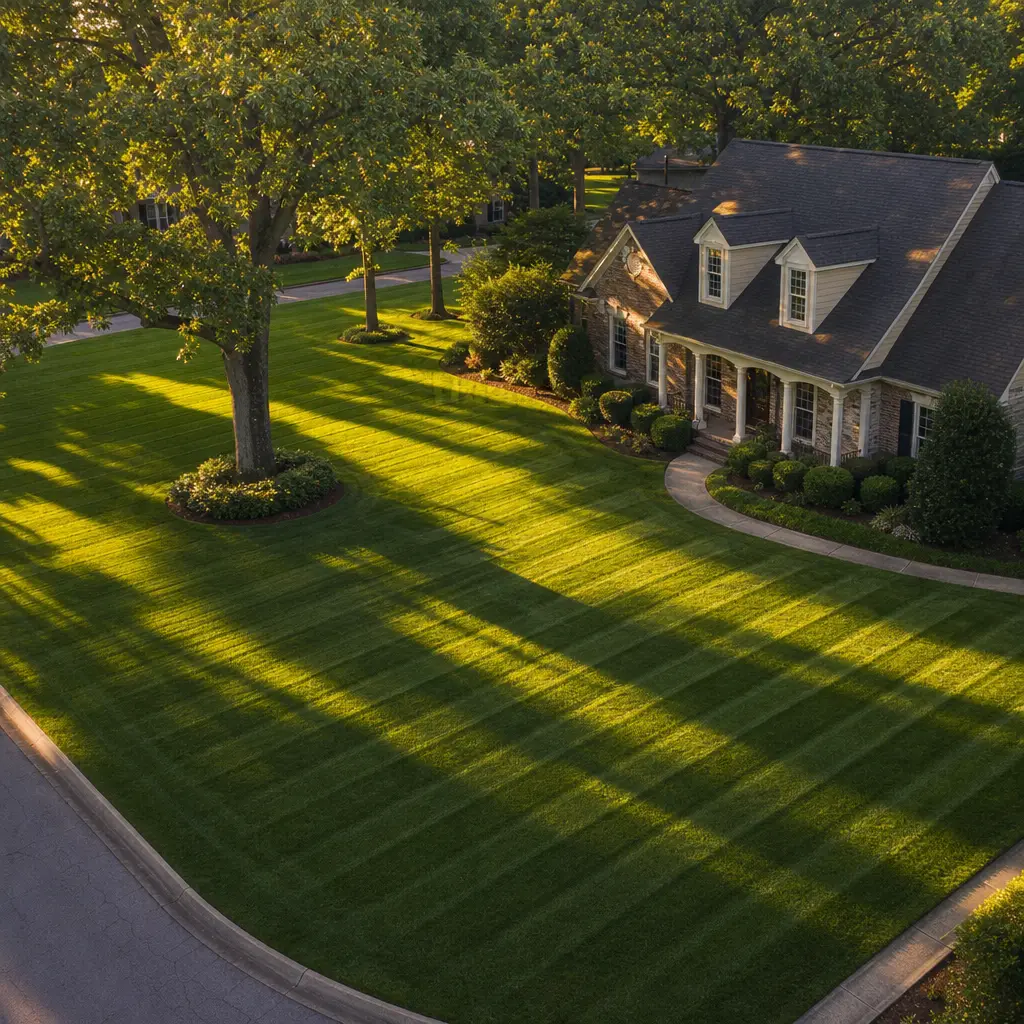
Most Pike Road homeowners underestimate how fast their grass grows between May and August. Alabama summers are not mild inconveniences for lawns. They are high-pressure growing seasons where a single skipped mowing week can leave a yard looking neglected and stressed. The rules that work in spring do not hold in summer. If you are searching for the right approach to lawn mowing in Pike Road, Alabama, the answer starts with understanding how heat, humidity, and grass type combine to determine exactly how often your lawn demands attention.
Table of Contents
- Quick Takeaways
- Why Summer Mowing Frequency Is Different in Alabama
- How Often to Mow Your Lawn in Alabama Summer
- The One-Third Rule and Why It Matters More in Heat
- Grass Types Common to Pike Road and Their Mowing Needs
- Mowing Height Comparison for Summer Conditions
- Signs Your Lawn Is Being Mowed Too Infrequently
- How Professional Mowing Differs From DIY in Summer
- Frequently Asked Questions
- References
Quick Takeaways
|
Key Insight |
Explanation |
|---|---|
|
Mow every 5 to 7 days in peak summer |
Alabama heat and humidity push warm-season grasses into rapid growth cycles that demand weekly attention at minimum. |
|
Never remove more than one-third of the blade at once |
Cutting too much in one pass scalps the lawn and exposes soil to heat stress, which is especially damaging in July and August. |
|
Mow higher in summer, not lower |
Taller grass shades soil, reduces moisture loss, and protects roots from Alabama’s intense afternoon temperatures. |
|
Mow in the early morning or late afternoon |
Cutting grass during peak heat (11am to 3pm) stresses the plant. Morning mowing lets clippings dry before nightfall, reducing disease risk. |
|
Bermuda grass grows faster than Zoysia in summer |
Bermuda in Pike Road conditions may require mowing twice per week during peak growing season, while Zoysia tolerates a 7-10 day interval. |
|
Dull blades tear grass, increasing disease vulnerability |
Ragged cuts create entry points for fungal issues. Blades should be sharpened every 20 to 25 hours of use, not just once per season. |
|
Skipping mowing creates a compounding problem |
One skipped week leads to overgrown grass that must be scalped to restore height, which weakens the lawn significantly. |
Why Summer Mowing Frequency Is Different in Alabama
Alabama sits in the humid subtropical climate zone. Pike Road and surrounding Montgomery County neighborhoods experience average summer temperatures between 88 and 95 degrees Fahrenheit, combined with humidity levels that rarely drop below 60 percent. This is not just uncomfortable for humans. It is an ideal growing environment for warm-season grasses.
Bermuda, Zoysia, Centipede, and St. Augustine grasses, which are the dominant lawn types in central Alabama, enter their most active growth phase from late May through early September. According to the Alabama Cooperative Extension System, warm-season grasses can grow one to two inches per week under optimal summer conditions in this region. That number climbs higher after rainfall events.
The practical consequence is straightforward. A Pike Road homeowner who mows every two weeks in spring may find that the same schedule in July produces a lawn that is genuinely out of control. The grass that was manageable at 14-day intervals suddenly becomes a thick mat that requires aggressive cutting to correct, and that aggressive cutting damages the turf.
How Often to Mow Your Lawn in Alabama Summer
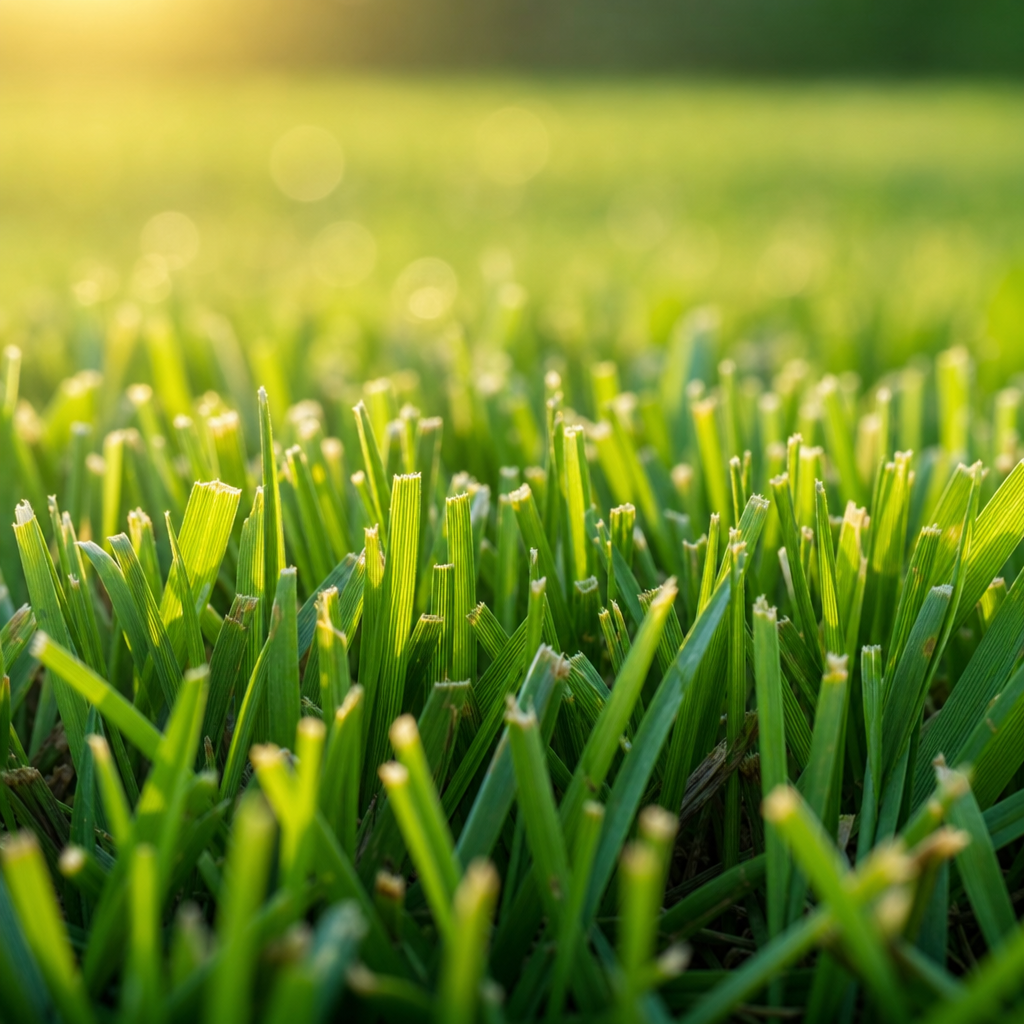
The direct answer for most Pike Road yards: mow every 5 to 7 days from June through August. This is not a conservative estimate. It is what the growth rate of warm-season grasses under Alabama summer conditions actually demands.
Bermuda Grass Frequency
Bermuda grass is the most aggressive grower among Alabama’s common lawn varieties. During peak summer, Bermuda can require mowing every 4 to 6 days to stay within the bounds of the one-third rule. Many professional lawn care schedules in the Montgomery area default to twice-weekly service for Bermuda lawns in July and August. Letting Bermuda go 10 days between cuts in summer results in a shaggy, uneven surface that is difficult to restore without temporary scalping.
Zoysia Grass Frequency
Zoysia grows more slowly than Bermuda and tolerates summer heat with slightly less urgency. A 7 to 10-day mowing interval is generally appropriate for Zoysia lawns in Pike Road during the summer months. However, after heavy rainfall, Zoysia can surge. Homeowners should check growth visually rather than relying on a fixed calendar date.
Centipede and St. Augustine Frequency
Centipede grass is a lower-maintenance option that grows at a moderate pace. It generally performs well on a 10 to 14-day summer schedule. St. Augustine, which is more common in coastal Alabama but appears in some central Alabama yards, benefits from a weekly cut in summer due to its coarser blade structure and susceptibility to thatch buildup when left to grow long.
Pro tip: Use the visual test rather than the calendar. If your grass has grown more than one-third above its ideal height, it is time to mow regardless of what day it is. Waiting for a fixed schedule in summer guarantees you will eventually be cutting too much in one pass.
The One-Third Rule and Why It Matters More in Heat
The one-third rule states that you should never remove more than one-third of the grass blade in a single mowing. This principle applies year-round, but it becomes especially important in summer because the consequences of violating it are more severe when temperatures are high.
When you cut more than one-third of the blade, the grass enters a recovery state. It redirects energy from root development to leaf production. Roots stop deepening. In Alabama’s summer heat, shallow roots translate directly into drought stress, even when irrigation is present. The University of Georgia Extension, which publishes research covering the Southeast including Alabama, notes that scalped lawns in summer heat can show browning within 48 hours and take two to four weeks to recover fully.
In practice, violating the one-third rule is almost always the result of infrequent mowing. Homeowners who mow on a proper schedule rarely need to take off more than a quarter inch to an inch per session. Homeowners who stretch their mowing intervals to two weeks in summer regularly find themselves trying to cut off three or four inches in one pass, which is exactly where the damage begins.
“Tall grass may look lush, but in summer heat, it is often a sign of a lawn that is building toward a hard correction. The stress that follows that correction costs more to fix than consistent mowing would have.” – Waters Edge Lawn Care, field observation from Pike Road service routes
Grass Types Common to Pike Road and Their Mowing Needs
Pike Road is a growing community with a mix of established neighborhoods and newer subdivisions. The lawn compositions reflect this variety. Understanding which grass type you have changes how you approach your entire summer mowing strategy.
Bermuda grass dominates newer residential developments and most athletic-quality lawns in the area. It is drought-tolerant once established, spreads aggressively, and responds well to frequent, low mowing. Bermuda should be kept at 1 to 2 inches in summer. Cutting it shorter than that risks scalping. Cutting it taller than 2.5 inches causes it to become puffy and difficult to manage.
Zoysia appears frequently in older Pike Road neighborhoods and is valued for its dense, carpet-like texture. It holds up well to foot traffic and summer heat. Optimal mowing height for Zoysia in summer is 1.5 to 2.5 inches depending on the variety. Zoysia tolerates shade better than Bermuda, which matters in yards with mature tree canopies.
Centipede grass suits homeowners who want a lower-maintenance option. It grows slowly, requires less fertilizer, and prefers slightly acidic soil, which is common in Alabama. Keep Centipede at 1.5 to 2 inches in summer and resist the urge to fertilize heavily. Over-fertilizing Centipede produces fast growth that the grass cannot sustain.
Mowing Height Comparison for Summer Conditions
Choosing the right mowing height for Alabama summer is one of the most underappreciated decisions a homeowner makes. Too low stresses the plant and exposes soil. Too high creates a thatch-prone, disease-vulnerable surface. Here is how the most common Pike Road grass types compare across the key variables.
|
Grass Type |
Ideal Summer Mowing Height |
Mowing Frequency in Peak Summer |
|---|---|---|
|
Bermuda Grass |
1 to 2 inches |
Every 4 to 6 days |
|
Zoysia Grass |
1.5 to 2.5 inches |
Every 7 to 10 days |
|
Centipede Grass |
1.5 to 2 inches |
Every 10 to 14 days |
A common mistake is lowering the mower deck in summer because homeowners assume shorter grass means less frequent mowing. The opposite is true. Shorter grass in extreme heat dries out faster, browns more easily, and invites weed pressure. Raise the deck slightly in July and August compared to your spring setting and accept that the mowing schedule needs to stay consistent.
Pro tip: If you are unsure of your grass type, pull a small section and look at the blade structure. Bermuda blades are fine and flat. Zoysia blades are stiffer and slightly rounded. Centipede blades are wider with a distinctive notch at the tip. Correct identification changes everything about your summer care approach.
Signs Your Lawn Is Being Mowed Too Infrequently
Alabama summer lawns send clear signals when their mowing schedule is falling behind. Recognizing these signs early prevents a minor correction from becoming a full-scale recovery project.
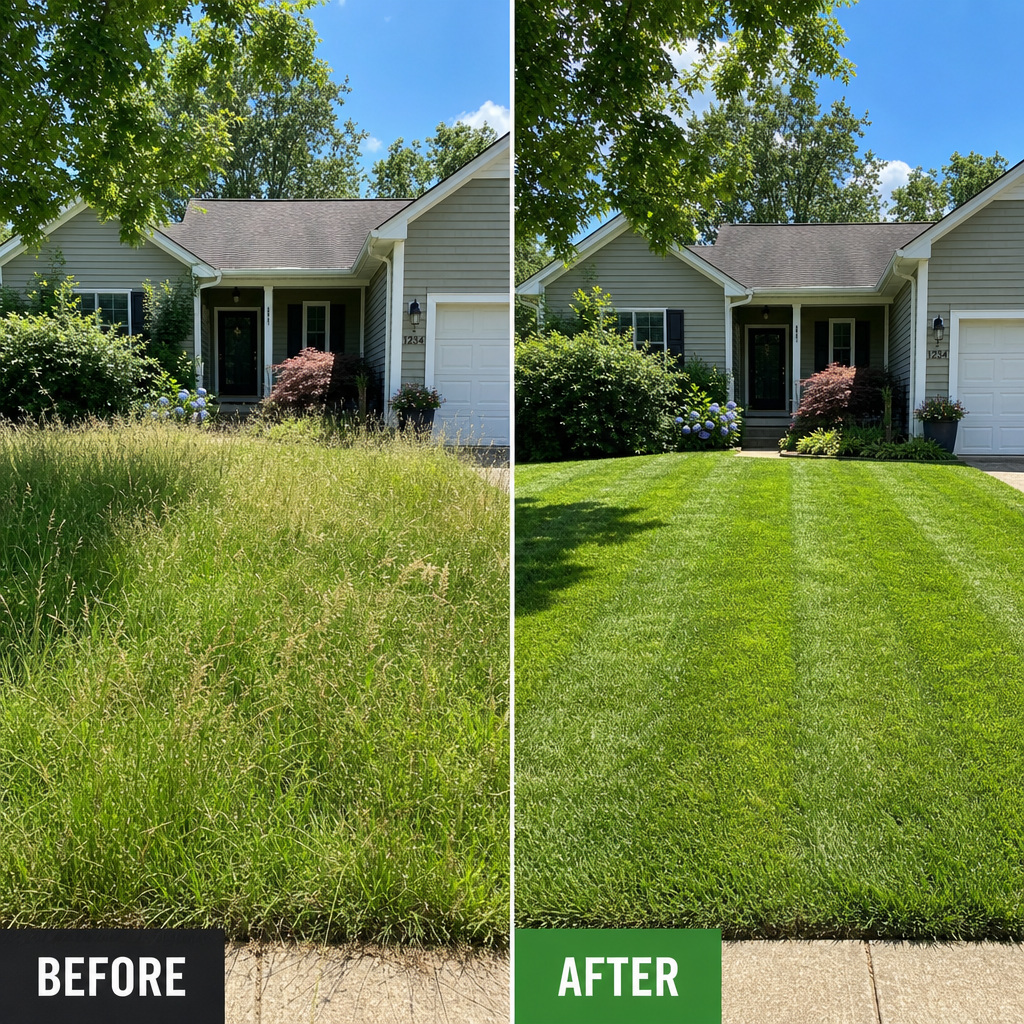
The most obvious sign is visible layering in the grass canopy. When grass grows too long, it develops a top layer of actively growing blades and a bottom layer of yellowing, shade-starved stems. Mowing through this structure removes the green top and leaves a brown, straw-like surface visible across the entire yard. This is a scalping outcome, even when the mower deck is set at a normal height.
A second sign is the presence of seed heads. When warm-season grasses like Bermuda are allowed to grow past their ideal height, they begin producing seed heads as a survival mechanism. This indicates the lawn has been in an unmowed state long enough to shift into a reproductive phase. Seed heads create an uneven, weedy appearance that string trimming and edging cannot fully correct.
Third, watch for increased weed pressure. Thick, properly maintained grass crowds out weeds naturally. Infrequently mowed lawns develop gaps in the canopy as the grass struggles to stay healthy, and those gaps are where crabgrass, dollarweed, and spurge establish themselves in central Alabama summer conditions.
Waters Edge Lawn Care regularly responds to service calls from Pike Road homeowners who want a single cleanup cut after weeks of missed mowing. In practice, one visit cannot fully restore a neglected summer lawn. Consistent, properly timed mowing is the only strategy that keeps a Pike Road yard looking polished throughout the summer season.
How Professional Mowing Differs From DIY in Summer
The difference between professional lawn mowing and homeowner DIY mowing in Alabama summer is not just about equipment. It is about consistency, timing, and the cumulative knowledge of what each yard demands week over week.
Professional crews use commercial-grade mowers with precisely calibrated deck heights. They change blade sharpening schedules based on actual hours of use, not guesswork. A dull blade tears grass tissue rather than cutting it cleanly, which leaves ragged tips that turn brown and create entry points for summer fungal diseases like brown patch, which is common in Alabama’s humid conditions.
More importantly, professional services maintain a fixed schedule regardless of the homeowner’s availability. The data consistently shows that the biggest gap between professional and DIY summer lawn results is schedule adherence, not technique. Homeowners skip mowing due to travel, work, heat, or rain delays. Those skips compound across a summer and produce the exact problems described above.
Waters Edge Lawn Care’s approach to summer lawn care in Alabama includes not just mowing but also string trimming along fence lines and garden edges, precision edging along sidewalks and driveways, and seasonal cleanup that prevents debris accumulation in the lawn canopy. These services together maintain the clean, manicured appearance that a mowing-only approach cannot achieve.
For Pike Road homeowners who want to understand what full-season professional service looks like for their specific yard, requesting a free quote with a site visit is the most direct way to get a schedule and pricing that reflects actual conditions rather than generic estimates.
Frequently Asked Questions
How often should I mow my lawn in Alabama during summer?
For most warm-season grasses in Pike Road and central Alabama, mowing every 5 to 7 days is the appropriate summer frequency. Bermuda grass may require every 4 to 6 days during peak growth in July and August. Zoysia and Centipede can be managed on slightly longer intervals of 7 to 14 days, but always verify by checking actual grass height rather than relying on a fixed calendar date.
Is it bad to mow grass during Alabama summer heat?
Mowing during the hottest part of the day, typically between 11am and 3pm, is hard on both the grass and the person doing the mowing. Early morning mowing, between 7am and 10am, is ideal because temperatures are lower and the grass has dried from overnight dew. Late afternoon mowing between 4pm and 6pm is a workable alternative. Avoid mowing in the evening after 7pm because damp grass left overnight encourages fungal disease, which is a real risk in Alabama’s humid summers.
What happens if I skip mowing for two weeks in Alabama summer?
A two-week gap in mowing during Alabama summer almost always results in grass that is too tall to mow correctly in one session without violating the one-third rule. This forces an aggressive cut that temporarily leaves the lawn looking brown and stressed. Recovery takes one to two weeks under good conditions. Frequent summer rains can accelerate recovery, but the yard will look visibly worse in the interim. Consistent weekly mowing prevents this cycle entirely.
Should I mow higher or lower in Alabama summer?
Higher. This is one of the most consistently misunderstood points in summer lawn care. Raising your mower deck by a quarter to a half inch in summer compared to your spring setting helps grass shade its own soil, reducing soil temperature and moisture evaporation. Taller grass also develops a deeper root system, which improves drought tolerance. The only exception is Bermuda grass on a reel mower, where very low cuts are standard practice for golf-course-style turf management.
Does mowing frequency affect weed growth in summer?
Yes, directly. Dense, properly mowed turf competes aggressively with weeds for sunlight, moisture, and soil resources. Lawns that are mowed infrequently develop thin canopy coverage that gives weed seeds the light exposure they need to germinate and establish. Crabgrass, dollarweed, and nutsedge are common summer invaders in central Alabama yards, and all three thrive in conditions created by infrequent mowing. Consistent mowing is one of the most effective non-chemical weed suppression strategies available.
How do I know if my mower blade needs sharpening before summer mowing?
Pull a single blade of grass after mowing and look at the cut tip. A sharp blade produces a clean, flat cut. A dull blade tears the tissue, leaving a ragged, frayed tip that turns white or tan within 24 to 48 hours and gives the entire lawn a dull, brownish cast after mowing. Professional services sharpen blades every 20 to 25 hours of use. For a homeowner mowing once per week, sharpening at the start of the summer season and once more in mid-July is a reasonable baseline.
Why does my Pike Road neighbor’s lawn look better even though we seem to mow the same amount?
Mowing frequency is only one variable. Blade sharpness, mowing height, time of day, edging quality, and the specific grass variety all contribute to the final appearance. In many cases the visible difference comes down to edging. Crisp, defined edges along driveways, sidewalks, and bed lines give a lawn a professional finish that frequency of mowing alone cannot achieve. String trimming along fences and tight corners also contributes significantly to the overall perception of quality.
If you have a summer mowing challenge specific to your Pike Road yard or a question about what schedule actually works for your grass type, share your experience below so others in the community can benefit from what you have learned.
We would love your feedback and any insights you would share with others. What perspective would you add?