Most homeowners in Pike Road, Alabama wait until a tree looks obviously overgrown or damaged before calling anyone. That is almost always too late. Overgrown limbs stress the tree’s structure, create hazards during storm season, and cost significantly more to correct than routine maintenance would have. Tree trimming in Pike Road, Alabama is not a once-in-a-while task. It is a scheduled practice tied to Alabama’s specific climate, tree species, and seasonal patterns. This guide breaks down exactly when to trim, why it matters for your property’s health and appearance, and how often you actually need professional service.
Table of Contents
- Why Tree Trimming Matters in Pike Road
- Quick Takeaways
- Best Time of Year to Trim Trees in Alabama
- How Often Should You Trim Trees in Pike Road
- Signs Your Trees Need Trimming Now
- Common Tree Species in Pike Road and Their Care Needs
- DIY vs. Professional Tree Trimming Comparison
- How Tree Trimming Connects to Your Overall Landscaping
- Frequently Asked Questions
- References
Why Tree Trimming Matters in Pike Road
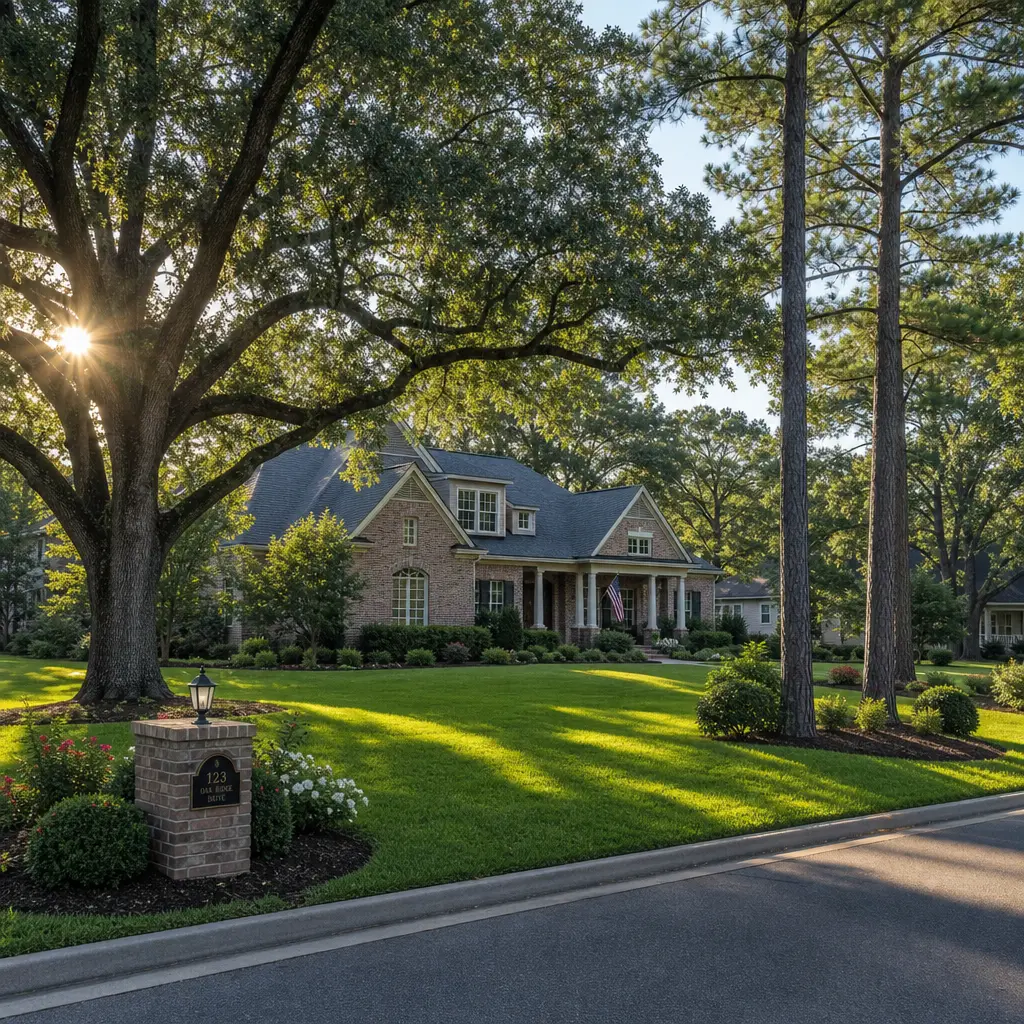
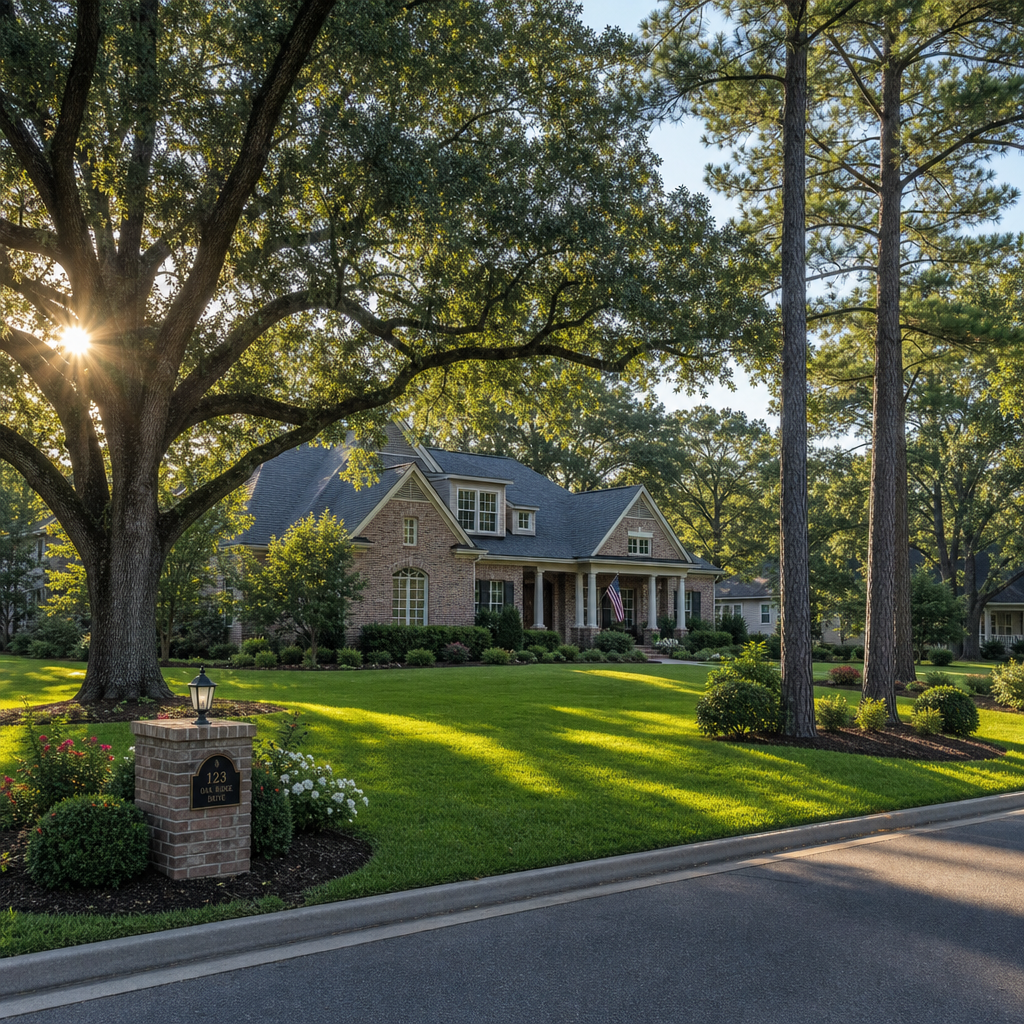
Pike Road is a fast-growing suburban community in Montgomery County, Alabama, with neighborhoods that feature mature trees, established landscapes, and properties where curb appeal carries real financial weight. Trees here are assets, but only when maintained properly. A neglected tree is a liability that can damage structures, block sunlight from turf, and introduce disease to the rest of your landscape.
Alabama’s humid subtropical climate accelerates tree growth compared to northern states. That means limbs extend faster, canopies thicken more aggressively, and the window for corrective trimming closes sooner than homeowners expect. In practice, trees in Pike Road that go two or more years without professional trimming routinely develop structural issues that require significantly more invasive work to fix.
Storm risk is also a real local factor. Montgomery County sits in a region that sees frequent thunderstorms, occasional tornadoes, and hurricane remnants moving inland from the Gulf Coast. Weak, overgrown, or improperly balanced tree limbs are the most common source of property damage during these events. Routine trimming reduces that risk directly.
Quick Takeaways
| Key Insight | Explanation |
|---|---|
| Late winter is the optimal trimming window | Most trees in Alabama should be trimmed between late January and early March, before new growth begins and while pest and disease activity is lowest. |
| Most residential trees need trimming every 1-3 years | Younger trees benefit from annual shaping, while mature trees with stable canopies typically need professional attention every 2-3 years. |
| Spring-blooming trees are the exception | Trees like dogwoods and redbuds, common in Pike Road yards, should be trimmed immediately after flowering to protect next year’s bloom. |
| Topping trees is damaging, not helpful | Cutting the central leader or topping a tree causes structural weakness, disease entry, and rapid regrowth of weak limbs. Avoid any company that recommends it. |
| Alabama’s humidity increases disease risk after cuts | Improper or off-season cuts in Alabama’s humid environment create open wounds that fungal pathogens exploit quickly. Timing and technique both matter. |
| Dead limb removal can happen any time of year | Hazardous dead or damaged limbs should be removed immediately regardless of season. Waiting for the ideal window is the wrong call when safety is involved. |
| Trimming improves turf health beneath the canopy | Thinning a dense canopy allows sunlight and airflow to reach lawn grass below, which is especially important for Pike Road properties with St. Augustine or Bermuda grass. |
Best Time of Year to Trim Trees in Alabama
The single best period for tree trimming in Alabama is late winter, specifically the window between mid-January and early March. At this point, most deciduous trees are fully dormant, insects that spread tree disease are inactive, and the absence of leaves makes it far easier to assess branch structure accurately. A professional can see exactly what needs to come off without guessing.
This timing also allows wounds to begin healing right as the tree enters its spring growth surge. The tree essentially seals over the cut with new tissue quickly, reducing the time that wound is exposed to pathogens. The University of Alabama Cooperative Extension recommends dormant-season pruning for precisely this reason: faster wound closure and lower disease transmission risk.
Summer Trimming: When It Works and When It Does Not
Light corrective trimming in summer is acceptable if the goal is removing specific problem limbs or reducing a canopy that is blocking too much light from turf below. What you want to avoid in summer is heavy structural pruning. Removing large portions of a tree’s canopy during active growing season creates significant stress, especially in Alabama’s summer heat.
A common mistake is trimming after noticing a problem in July or August and removing far more material than necessary. Summer trimming should be targeted and conservative. Save the structural work for late winter.
Spring-Blooming Trees Require a Different Schedule
Dogwoods, redbuds, and Bradford pears are all popular in Pike Road neighborhoods and all bloom in spring. These trees set their flower buds the previous year, so trimming them in late winter removes the buds before they ever open. The correct approach is to trim spring-blooming trees within 2-3 weeks of when the flowers drop, typically late April to early May in Montgomery County. You preserve next year’s bloom and still accomplish the structural work.
Pro tip: Mark your spring-blooming trees now and schedule a follow-up trim appointment with Waters Edge Lawn Care right after flowering ends. Missing that window by even a few weeks risks cutting off newly forming buds for the following season.
How Often Should You Trim Trees in Pike Road
There is no single answer that applies to every tree, but there are clear patterns based on tree age, species, and location on your property. Treating all trees the same is one of the most common and costly errors Pike Road homeowners make.
Young Trees: Annual Shaping Produces Better Long-Term Structure
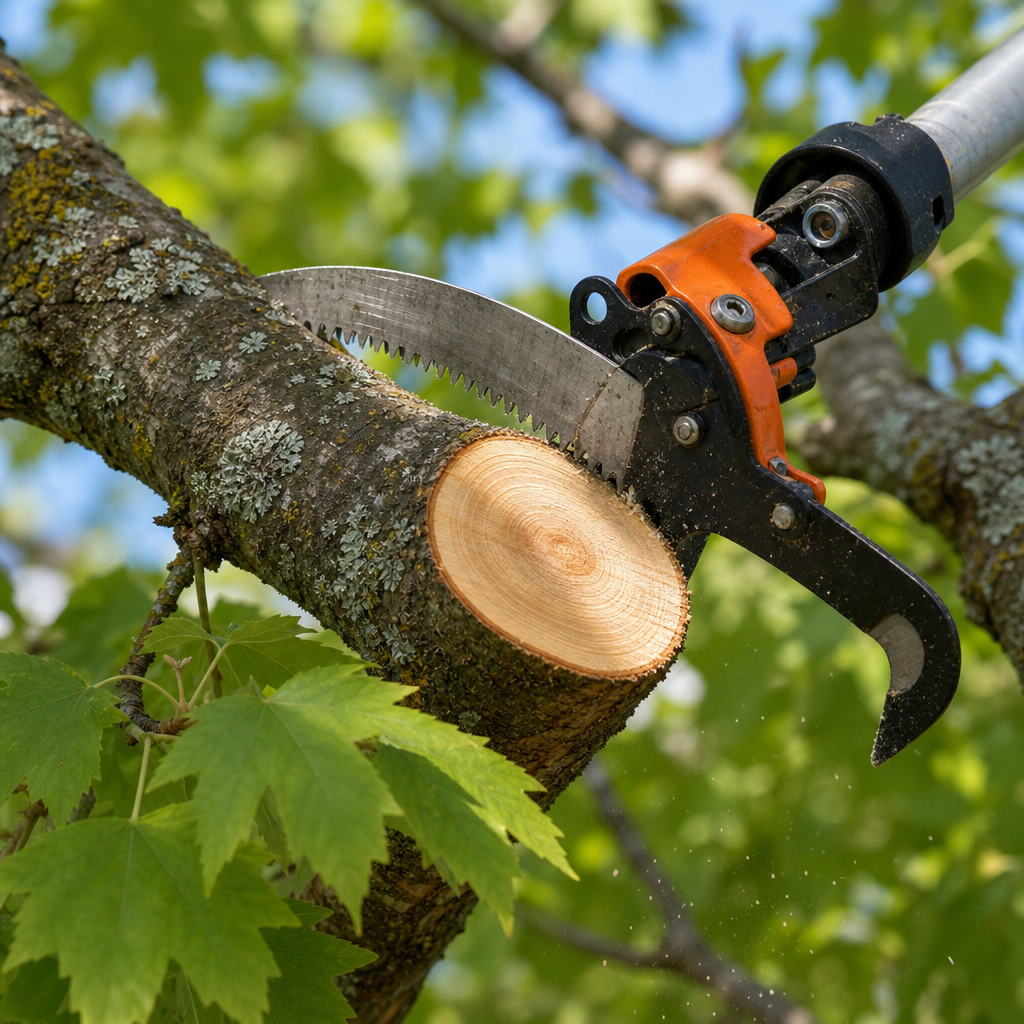
Trees in their first 5-7 years of growth should receive annual trimming focused on establishing a strong central leader, removing crossing branches, and directing the canopy away from structures. Annual work at this stage costs very little and eliminates expensive corrective work later. Think of it as training the tree rather than reacting to a problem.
Mature Trees: Every 2-3 Years Is the Right Baseline
A mature oak, pecan, or magnolia on a Pike Road property with a stable canopy and no significant dead wood typically needs professional trimming every 2-3 years. That said, trees close to the home, near power lines, or overhanging driveways and outdoor living areas warrant more frequent inspection and often annual service.
Fast-Growing Species Need More Frequent Attention
Bradford pears, silver maples, and Leyland cypresses grow quickly and develop problematic branch structures faster than slower-growing species. These trees often need trimming every 12-18 months to stay structurally sound. Bradford pears in particular are notorious for splitting at weak branch unions if left unmanaged, and they are extremely common in Pike Road subdivisions.
Pro tip: If you have a Bradford pear on your property, ask Waters Edge Lawn Care to assess its branch union angles at your next service visit. Narrow V-shaped unions in these trees are a structural time bomb that trimming can help mitigate before failure occurs.
Signs Your Trees Need Trimming Now
Waiting for a scheduled service cycle is reasonable for healthy trees, but some conditions require immediate attention regardless of timing. In practice, these are the indicators that tell a trained eye a tree cannot wait until the next scheduled window.
Dead limbs hanging in the canopy, called widow makers, are the most urgent issue. These limbs have no live tissue holding them and can fall without warning, especially during the afternoon thunderstorms that are common across Montgomery County from May through September. Any limb that is clearly dead should be removed immediately.
Other signs that call for prompt trimming include branches that rub against the roof or siding of the home, limbs that extend over HVAC equipment or outdoor spaces, and canopies so dense that lawn grass beneath them has thinned noticeably. That last point matters particularly for Pike Road homeowners with Bermuda or St. Augustine grass, both of which need full sun to maintain healthy density.
“Proper pruning, with knowledge of tree biology, can maintain good tree structure and long-term health. Improper pruning can cause damage that lasts for the life of the tree, or worse, can cause tree death.” – International Society of Arboriculture
Fungal growth at the base of a tree or on the trunk is another warning signal. While trimming is not a cure for internal decay, removing affected limbs and improving airflow through the canopy slows the spread of fungal disease. Alabama’s humidity makes trees here particularly susceptible to this.
Common Tree Species in Pike Road and Their Care Needs
Pike Road’s residential landscapes feature a predictable mix of species shaped by the region’s climate and the suburban development patterns of Montgomery County. Knowing which trees you have on your property is the starting point for any sound trimming schedule.
Live Oak
Live oaks are common across central Alabama and are some of the most structurally complex trees on suburban properties. They retain their leaves through winter and shed in spring just as new growth emerges. Trim live oaks in late winter, and prioritize removing crossing interior branches that restrict airflow. These trees can grow for generations when managed correctly.
Loblolly Pine
Loblolly pines grow fast and tall on Pike Road properties and require mostly dead wood removal rather than structural shaping. They rarely need heavy trimming, but lower limb removal, called crown raising, improves sight lines and reduces storm debris. Trim in late winter or early fall, avoiding the hot, wet months when pine bark beetles are most active in Alabama.
Crepe Myrtle
Crepe myrtles are everywhere in Pike Road yards, and they are also the most commonly mistreated trees in Alabama. Topping crepe myrtles, sometimes called crepe murder, is still widespread and it is simply wrong. It creates weak, disease-prone regrowth and destroys the tree’s natural form. The correct approach is light shaping after dormancy ends in late winter, removing crossing branches and old seed heads. Never cut the main structural limbs.
DIY vs. Professional Tree Trimming Comparison
Some light trimming on small ornamental trees is within reach for an attentive homeowner. But the category of work that matters most, structural pruning on mature trees, requires professional equipment, trained judgment, and liability coverage. Here is how the two approaches compare on the factors that actually matter for Pike Road properties.
| Factor | DIY Trimming | Professional Service (Waters Edge Lawn Care) |
|---|---|---|
| Safety on large trees | High risk without proper equipment and fall protection | Trained crew with appropriate tools and liability insurance |
| Correct cut placement | Most homeowners cut too close or too far from the branch collar, causing long-term damage | Cuts made at the branch collar to promote proper wound closure |
| Species-specific knowledge | Applying generic advice to the wrong species or wrong season is extremely common | Service adapted to species type, age, and current condition of each tree |
| Cost | Lower immediate cost but frequent corrections or tree loss increases long-term expense | Higher upfront cost with significantly better long-term outcomes and property value protection |
| Debris cleanup | Homeowner responsible for all removal and disposal | Full cleanup and debris removal included in service |
The data is consistent on one point: improper pruning cuts made by untrained individuals are a leading cause of preventable tree loss. Once a tree develops decay at an improperly made cut, that damage is permanent. Professional trimming is not a luxury for Pike Road homeowners with mature trees. It is risk management.
How Tree Trimming Connects to Your Overall Landscaping
Tree trimming does not exist in isolation. What happens in the canopy directly affects everything at ground level, from turf density to shrub health to irrigation effectiveness. Waters Edge Lawn Care approaches tree care as one part of a complete property maintenance picture, which is the correct way to think about it.
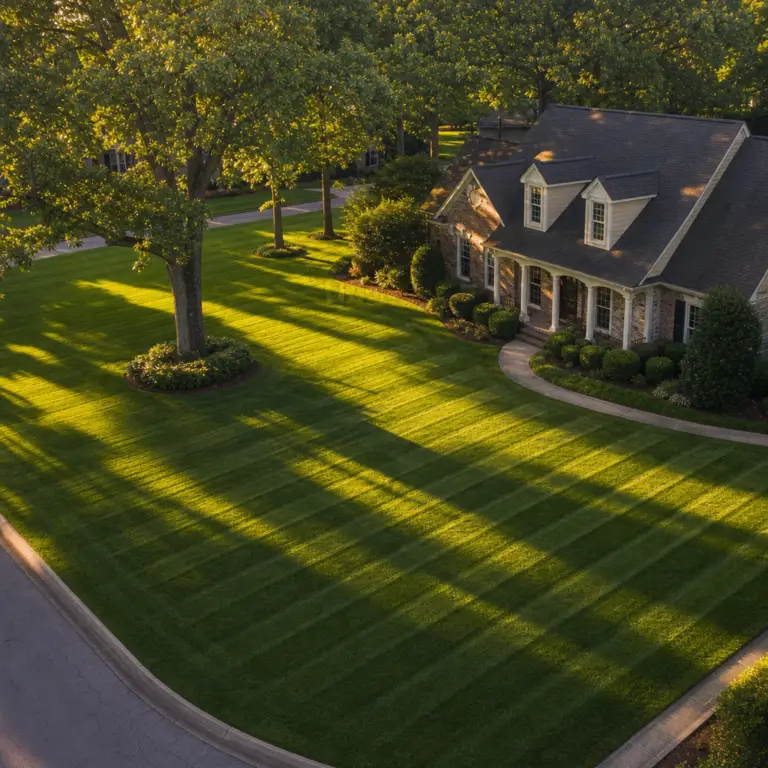
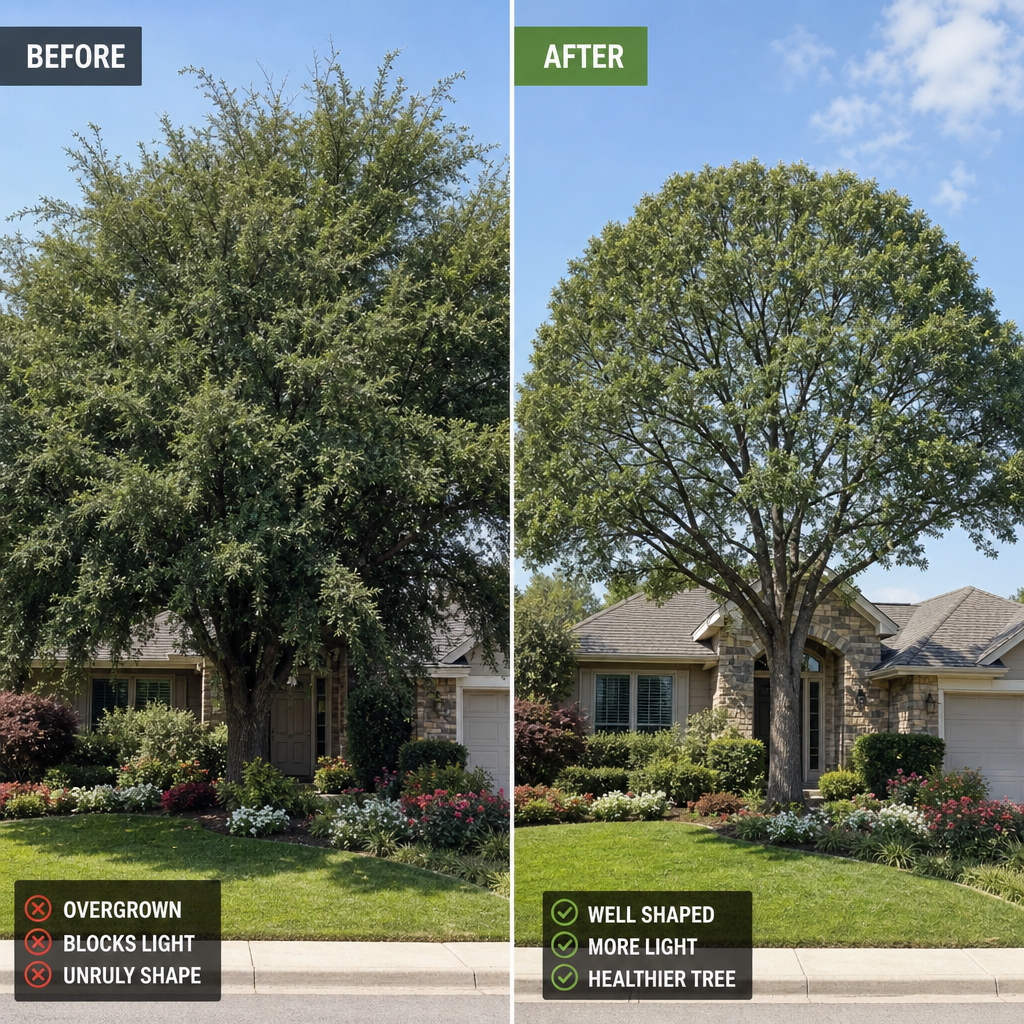
When a canopy is thinned properly, sunlight reaches turf that was struggling under heavy shade. This alone can revive a lawn section that looked permanently thin without a single application of fertilizer or seed. Canopy management and turf health are directly linked, and ignoring one while investing in the other is an inefficient use of your landscaping budget.
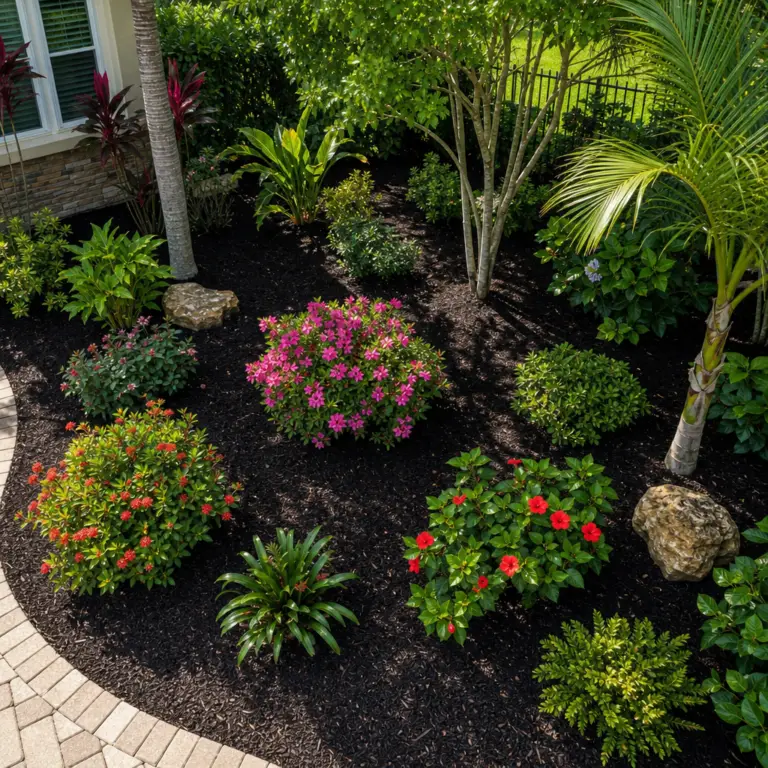
Trimming also affects shrubs planted beneath or near trees. Overgrown tree branches compete with ornamental shrubs for light and water. Shrub planting and tree trimming are most effective when scheduled together as part of a coordinated landscaping plan rather than as separate, disconnected tasks. A professional lawn care team that handles both, like Waters Edge Lawn Care, can assess the full relationship between your trees, shrubs, and turf and make recommendations that account for all of it.
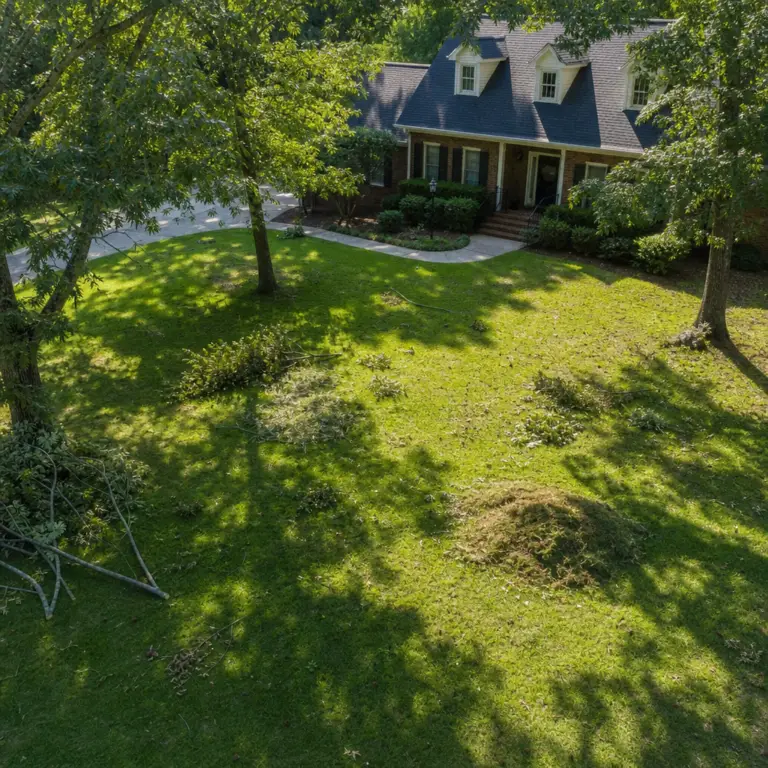
Seasonal cleanup rounds out the picture. Heavy trimming sessions generate significant debris, and leaving chips, branches, and leaf litter on beds or turf creates conditions favorable to pests and fungal growth in Alabama’s climate. Scheduling cleanup as part of your trimming service keeps the property looking polished immediately after the work is done rather than leaving a job half-finished.
Frequently Asked Questions
Is it too late to trim trees in summer in Pike Road, Alabama?
It is not too late, but summer trimming should be limited in scope. Removing dead, damaged, or hazardous limbs is appropriate any time of year. Heavy structural pruning in summer stresses trees during their most active growth period and the hottest months. Light corrective cuts are fine. Save major structural work for late winter dormancy.
How much does tree trimming typically cost for a Pike Road residential property?
Cost varies based on tree size, species, number of trees, and access difficulty. Small ornamental trees and crepe myrtles typically cost less than large live oaks or pines that require elevated equipment. The most accurate way to know your specific cost is to request a free quote directly from Waters Edge Lawn Care, who can assess your property in person and give you a precise figure.
What is the difference between tree trimming and tree pruning?
In common usage these terms are often interchangeable, but technically pruning refers to selective removal of branches for the tree’s health, structure, and growth direction. Trimming more often refers to cutting back growth for aesthetic shape and size control. Professional services typically combine both approaches based on what each tree needs. The distinction matters less than whether the work is being done correctly and at the right time of year.
Can trimming my trees increase my property value in Pike Road?
Yes, and by a meaningful amount. According to the USDA Forest Service, well-maintained trees can add between 10 and 15 percent to a property’s appraised value. In Pike Road’s active real estate market, curb appeal tied to a well-maintained landscape, including healthy, properly shaped trees, directly influences buyer perception and offer prices. Neglected, overgrown, or structurally unsound trees do the opposite.
How do I know if a tree on my Pike Road property needs to be removed rather than trimmed?
Signs that point toward removal rather than trimming include more than 50 percent of the canopy being dead or diseased, major structural cracks in the trunk or primary limbs, significant root damage or heaving, and a trunk that is hollow. A professional assessment is the only reliable way to make this call. Waters Edge Lawn Care can evaluate your trees and give you an honest recommendation rather than trimming a tree that poses a genuine risk.
Should I trim my trees before or after hurricane season?
Both. Trim in late winter to address structural issues before the spring storm season begins. A light inspection and cleanup of weak or dead growth in early fall, before peak hurricane remnant season in September and October, is also worth doing. The goal is to reduce the number of projectile limbs available during high-wind events. Proactive trimming is significantly cheaper than storm damage repair.
Share your experience with tree trimming on your Pike Road property below. Have you found a schedule that works well, or run into challenges with specific species? Your feedback helps other homeowners in the area make better decisions for their landscape.
References
- International Society of Arboriculture: research, standards, and best practices for professional tree care
- Alabama Cooperative Extension System: Alabama-specific guidance on tree maintenance, timing, and landscape health
- USDA Forest Service: data on urban tree canopy benefits, property value impact, and species management
- U.S. Environmental Protection Agency: resources on urban tree benefits, stormwater management, and community green infrastructure
- Statista: landscaping and lawn care industry data including service trends and market size in the United States