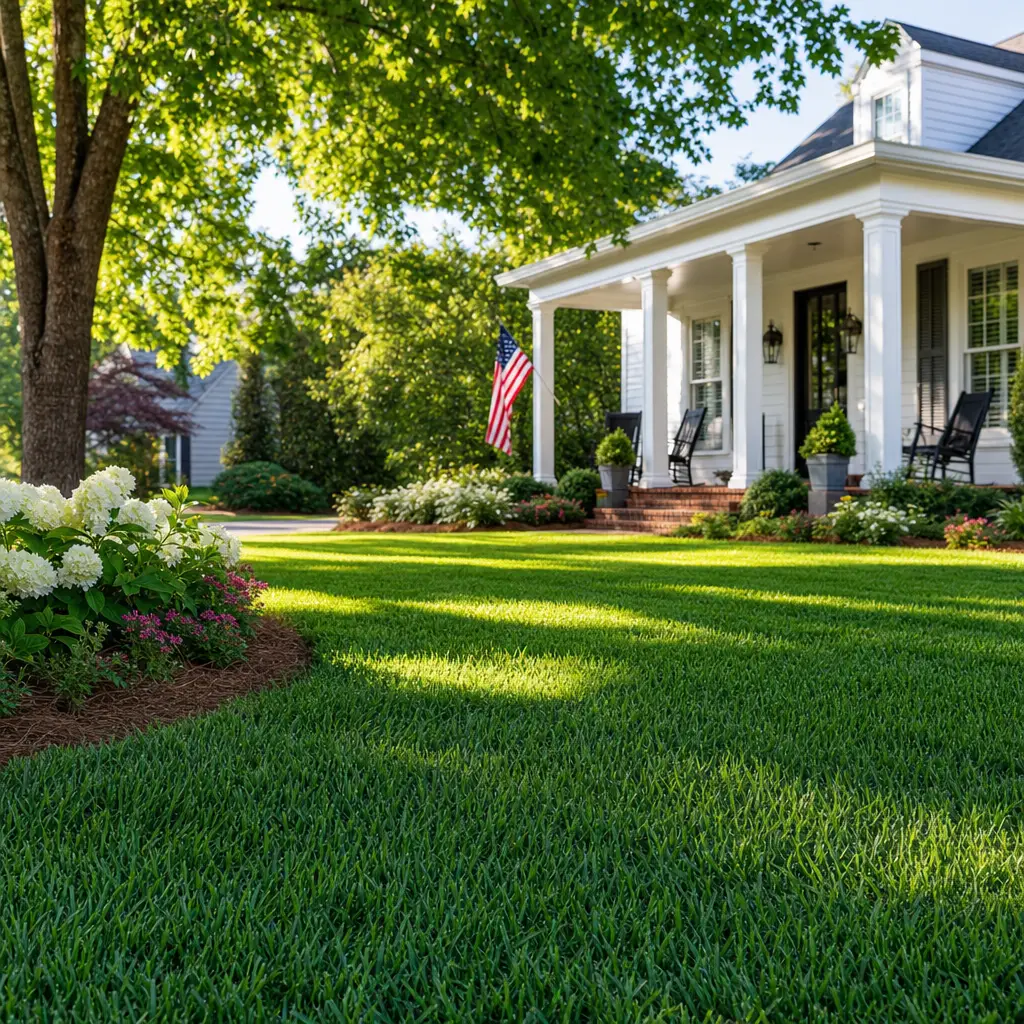
Alabama summers are no joke. By July, soil temperatures in Pike Road regularly exceed 90 degrees Fahrenheit, and lawns that looked lush in May can turn brown and patchy within two weeks of neglect.
Summer Lawn Care
Alabama homeowners can count on a lawn that requires more than occasional watering. It demands a deliberate plan built around the specific grass types, humidity levels, and heat cycles unique to central Alabama. This guide gives you that plan, drawn from real field experience maintaining yards across Pike Road and the surrounding communities.
Table of Contents
- Quick Takeaways
- Why Alabama Summers Punish Lawns More Than Most States
- Watering Your Lawn Correctly in Peak Heat
- Mowing Strategy for Summer in Alabama
- Fertilization and Soil Health During Hot Months
- Weed and Pest Control When Heat Stress Is High
- The Professional Lawn Maintenance Advantage
- Comparison of Summer Lawn Care Approaches
- Frequently Asked Questions
- References
Quick Takeaways
| Key Insight | Explanation |
|---|---|
| Water deeply, not daily | Alabama lawns need 1 to 1.5 inches of water per week. Deep, infrequent watering trains roots to grow downward, making grass far more drought-resistant. |
| Never mow below 3.5 inches in July | Cutting warm-season grass too short in peak heat exposes soil, accelerates moisture loss, and invites weed germination. |
| Skip heavy nitrogen fertilizer in summer | High-nitrogen applications push fast green growth that scorches easily. Use slow-release or potassium-focused products instead. |
| Morning watering outperforms evening watering | Watering before 10 a.m. reduces fungal disease risk. Evening watering leaves blades wet overnight, which is the primary trigger for brown patch and other lawn fungi common in Alabama. |
| Identify your grass type before treating it | Most Pike Road lawns run Bermuda or Zoysia. These warm-season grasses behave very differently than fescue and require grass-specific summer care plans. |
| Edging and trimming matter more in summer | Overgrown edges trap moisture against structures, encourage pests, and allow weeds to spread into turf beds unchecked. |
| Heat stress looks like drought stress but isn’t | A lawn can be watered adequately and still show wilting if soil compaction prevents absorption. Aeration solves this problem quickly. |
Why Alabama Summers Punish Lawns More Than Most States
Pike Road and Montgomery County are in a climate zone where summer heat combines with high humidity, creating conditions that stress even well-maintained lawns. Average July high temperatures exceed 92 degrees Fahrenheit, and nighttime lows rarely dip below 72. That combination keeps soil temperatures elevated around the clock, accelerating water loss and pushing warm-season grasses toward dormancy if care lapses.
The data consistently shows that Alabama homeowners lose more lawn coverage during June through August than at any other time of year. According to the Alabama Cooperative Extension System, heat and drought stress account for the majority of summer lawn failures in central Alabama, more than insects, disease, or poor soil combined.
A common mistake is treating Alabama summer lawn problems as if they occur in isolation. In practice, heat stress, soil compaction, and fungal pressure tend to arrive together. A lawn that is mowed too short becomes more vulnerable to both drought and disease at the same time. Addressing one issue without the others rarely produces lasting results.
Watering Your Lawn Correctly in Peak Heat
The single biggest driver of a healthy lawn in summer heat is water management. Most homeowners in Pike Road are either underwatering or overwatering, and both cause visible damage by mid-July.
The 1 to 1.5 Inch Weekly Rule
Bermuda grass, which dominates most Pike Road residential lawns, needs between 1 and 1.5 inches of water per week during summer. Zoysia requires slightly less, closer to 1 inch. The key is delivering that water in two deep sessions rather than five shallow ones. Shallow watering keeps roots near the soil surface, where they fry during peak heat hours.
Place a tuna can or rain gauge in your irrigation zone to measure actual output. Most residential sprinkler systems are set too low for the turf’s needs, especially on slopes where runoff is common.
When to Water
Water between 6 a.m. and 10 a.m. This timing ensures blades dry before midday heat while giving moisture enough time to penetrate 4 to 6 inches into the soil. Evening watering is the most common cause of fungal outbreaks in Alabama lawns, particularly the brown patch fungus, which spreads rapidly in humid overnight conditions.
Pro tip: If your lawn shows footprints that remain visible for more than 30 seconds after walking across it, the grass is wilting from moisture stress. Water immediately rather than waiting for your next scheduled session.
Mowing Strategy for Summer in Alabama
Lawn mowing in Pike Road, AL, during summer is not simply about keeping grass at an aesthetically pleasing height. Mowing decisions in July and August directly affect how well turf survives heat, drought, and disease pressure.
Mowing Height Matters More Than Frequency
For Bermuda grass, maintain a cutting height between 1.5 and 2.5 inches during summer. For Zoysia, keep it between 2 and 3 inches. Never remove more than one-third of the blade in a single cut. Removing more than that triggers a stress response that depletes root energy reserves the grass needs to survive high-temperature periods.
In practice, this means mowing every 5 to 7 days during peak growing season. Letting grass grow tall and then cutting it aggressively in one pass is one of the most damaging things a homeowner can do in summer.
Blade Sharpness and Clipping Management
Dull mower blades tear grass rather than cut it, creating ragged edges that lose moisture faster and become entry points for fungal infection. Sharpen or replace blades every 20 to 25 hours of mowing time, which for most residential properties means once or twice per season.
Leave clippings on the lawn when they are short and dry. Clippings decompose quickly and return nitrogen to the soil. Collect and dispose of clippings only when the lawn is overgrown or wet, which can mat and smother turf underneath.
Pro tip: Mow in the late afternoon when turf temperatures begin to drop. Mowing during peak midday heat compounds stress on already-taxed grass blades and can cause browning within 24 hours on borderline-stressed Bermuda lawns.
Fertilization and Soil Health During Hot Months
Fertilizer applications in Alabama in July are a point where well-meaning homeowners frequently cause more harm than good. High-nitrogen fertilizers promote rapid green growth, but that new growth is structurally weaker and burns more quickly under intense sunlight.
What to Apply and When
If your last fertilizer application was in late spring, hold off on additional nitrogen until September unless a soil test confirms a severe deficiency. Instead, apply a slow-release potassium-based fertilizer in early July. Potassium strengthens cell walls and improves the grass plant’s ability to tolerate heat and drought. The Alabama Cooperative Extension System recommends a soil test every two to three years to determine actual nutrient needs rather than guessing.
Apply fertilizer in the early morning and water lightly afterward to prevent fertilizer burn on warm blades. Never apply granular fertilizer to dry, stressed grass without watering immediately after.
Aeration and Soil Compaction
Clay soils are common across Montgomery County and compact significantly by summer, reducing water infiltration and root oxygen availability. A core aerator pulled across the lawn in late spring or early fall creates pathways for water and nutrients to reach roots. In practice, aerating before summer begins reduces midseason watering frequency by allowing each application to penetrate more effectively.
“Healthy soil structure is the foundation of any drought-resistant lawn. Without adequate aeration and organic matter, even ideal watering schedules fail to deliver moisture to root zones.” – Alabama Cooperative Extension System, Home Lawn Management Guide
Weed and Pest Control When Heat Stress Is High
Summer heat does not reduce weed pressure in Alabama. It often increases it. Crabgrass, goosegrass, and nutsedge all thrive in the same hot, humid conditions that stress desirable turf. A thin or heat-damaged lawn creates open soil that weed seeds aggressively exploit.
Pre-Emergent Timing Has Already Passed by July
Pre-emergent herbicide applications prevent weed seed germination. By July, most summer weeds have already germinated. The time for pre-emergent is February through March for warm-season weed prevention. If weeds are visible now, post-emergent spot treatments are the only option.
Use selective post-emergent herbicides appropriate for your grass type. Applying a Bermuda-labeled herbicide to a Zoysia lawn can cause significant turf damage. Read labels carefully and, if uncertain, consult a professional before applying.
Chinch Bugs and Sod Webworms
These two insects cause the most summer lawn damage in central Alabama. Chinch bugs feed on grass blades in hot, sunny areas near driveways and sidewalks. Damage appears as irregular brown patches that spread outward. Sod webworms feed at night and leave closely cropped circular patches that look like mowing scalping.
The standard diagnostic test for chinch bugs involves pressing a bottomless coffee can into the turf, filling it with water, and watching for insects to float to the surface within 10 minutes. If more than 10 to 15 chinch bugs appear per square foot, treatment is warranted.
The Professional Lawn Maintenance Advantage
The honest case for professional lawn maintenance for Alabama homeowners comes down to timing and precision. A missed mowing during a heat wave, a late fertilizer application, or an improperly calibrated irrigation system can set a lawn back 6 to 8 weeks during summer. Professional crews identify problems early and respond before damage compounds.
Waters Edge Lawn Care provides precision mowing, string trimming, and edging services across Pike Road and surrounding neighborhoods, with scheduling designed around the specific heat and growth cycles of central Alabama. The difference between a yard that looks polished in August and one that looks scorched often comes down to whether maintenance was delivered consistently on schedule.
For homeowners managing larger properties, or those who travel during summer months, professional service eliminates the timing gaps that cause the most visible damage. Requesting a free quote takes less time than diagnosing a lawn that has gone without service for three weeks in the July heat.
Comparison of Summer Lawn Care Approaches
| Approach | Best For | Key Limitation |
|---|---|---|
| DIY Weekly Maintenance | Homeowners with small yards, flexible schedules, and hands-on experience with warm-season grasses | Misses early signs of disease and pest pressure; equipment calibration errors cause inconsistent cut height |
| Professional Full-Service Lawn Care (Waters Edge Lawn Care) | Busy homeowners, larger properties, and anyone wanting consistent results with no scheduling gaps during peak heat | Requires upfront investment, though free quotes allow cost comparison before committing |
| Seasonal Spot Service | Homeowners who handle routine mowing themselves but want professional help for edging, trimming, and seasonal cleanups | Works well as a hybrid approach but requires clear communication about which tasks are covered |
Frequently Asked Questions
What grass types are most common in Pike Road, Alabama, and how do I care for them in summer?
Bermuda grass and Zoysia grass are the dominant warm-season varieties across Pike Road and Montgomery County. Both tolerate high heat well when properly managed. Bermuda grows aggressively and recovers quickly from stress when adequately watered. Zoysia is denser, requires slightly less water, and is more resistant to weed encroachment. Neither type should be heavily fertilized with nitrogen between June and August.
How do I know if my Alabama lawn is heat-stressed versus diseased?
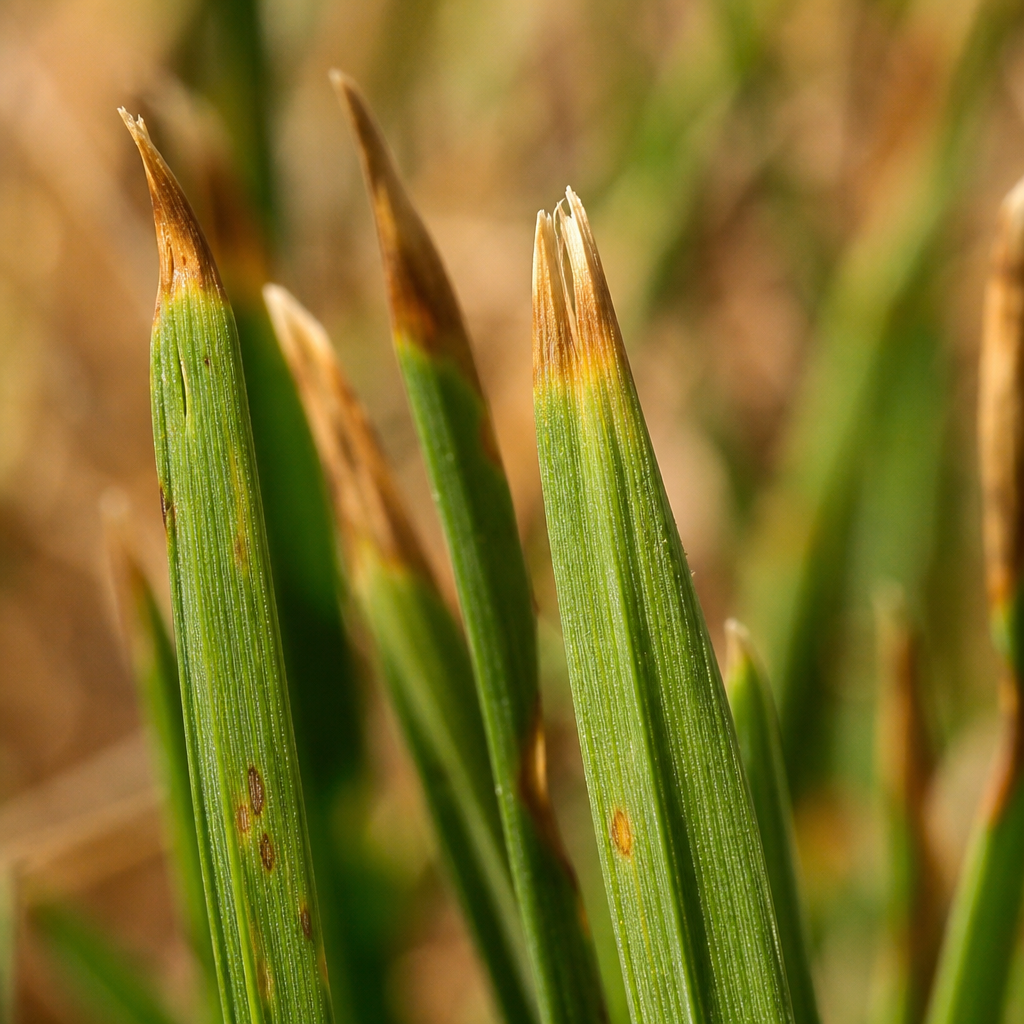
Heat stress causes uniform wilting and a blue-gray tint across the entire lawn. Disease damage from brown patch or dollar spot appears as circular or irregular patches with distinct boundaries, often with a darker ring around the perimeter. Heat stress recovers within 24 to 48 hours of watering. Disease patches persist or expand despite adequate moisture. If patches spread after watering, contact a lawn care professional to assess fungal damage.
Is it okay to aerate my lawn in July in Alabama?
Core aeration during peak summer heat is not recommended for most Alabama lawns. The process creates small wounds in turf that heal quickly during active growth periods but can become entry points for disease and dehydration during high-stress conditions. The best times for aeration in central Alabama are late spring, before heat peaks, and early fall, when temperatures consistently drop below 85 degrees.
How often should I mow during Alabama’s July heat?
For most Pike Road residential lawns with Bermuda or Zoysia, mow every 5 to 7 days during July. Growth slows slightly during extreme heat, but maintaining a consistent schedule prevents the accumulation of excess blade length that forces a hard cut. Lawn maintenance in Alabama in July schedules should prioritize consistency over convenience. Skipping two weeks and then mowing aggressively is more damaging than any other single summer mistake.
What should I do if my lawn has brown patches after a summer drought?
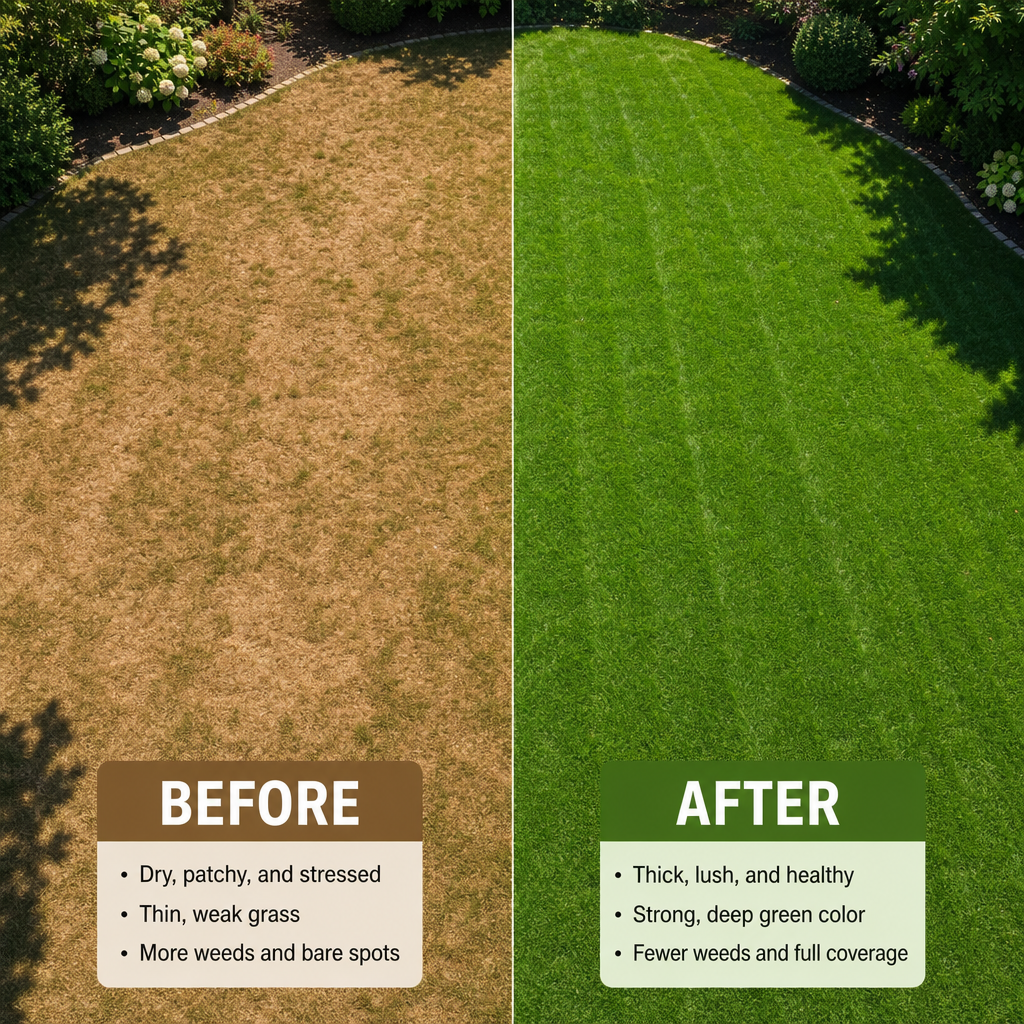
First, confirm the grass is stressed, not dead, by pulling a handful of blades. Live grass under stress resists pulling. Dead grass lifts out with no resistance. For stressed turf, resume a deep watering schedule immediately and avoid fertilizing until the lawn shows active recovery. For dead patches, overseeding or sodding in September, after summer heat subsides, provides the best establishment window for new grass. Attempting to reseed in August rarely succeeds in Alabama conditions.
Does edging and trimming really affect lawn health, or is it just cosmetic?
Edging and trimming serve both cosmetic and functional purposes. Clean edges prevent turf from invading garden beds and hardscapes, reducing the competition and maintenance burden over time. String trimming around trees, fences, and structures eliminates the tall grass zones where moisture accumulates overnight and fungal disease incubates. In humid Alabama summers, neglected edges are a consistent source of disease pressure that spreads inward to otherwise healthy turf.
If you have found a particular summer watering schedule or mowing technique that has worked well for your Alabama lawn, share it in the comments below and help other homeowners in the area make better decisions this season.
We would love your feedback and any insights you would share with others. What perspective would you add?
References
- Alabama Cooperative Extension System: research-backed lawn and garden management resources for Alabama homeowners
- United States Environmental Protection Agency: guidelines on water-efficient landscaping and outdoor water use for residential properties
- Statista: data on lawn care industry spending, service trends, and homeowner maintenance behavior across the United States
- Forbes Home: expert evaluations of professional lawn care services and what homeowners should expect from lawn maintenance providers
- Penn State Extension: university-level turfgrass research including warm-season grass heat tolerance and summer management best practices