
A crisp trim is what turns a simple cut into a manicured lawn. It is the difference you notice along fence lines, around irrigation heads, and at the base of trees where a mower cannot reach. When it is done right, everything looks sharp and intentional.
Done wrong, trimming can scalp turf, chew bark, and nick sprinkler heads. In Central Alabama heat, those mistakes invite weeds, disease, and costly repairs. The good news: a few pro habits and the right equipment protect your landscape while delivering a polished finish.
At Waters Edge Lawn Care in Pike Road, we pair commercial-grade tools with careful technique so your yard looks neat every visit. Here is how to trim like a pro and why the sequence with mowing matters.
Trim or mow first?
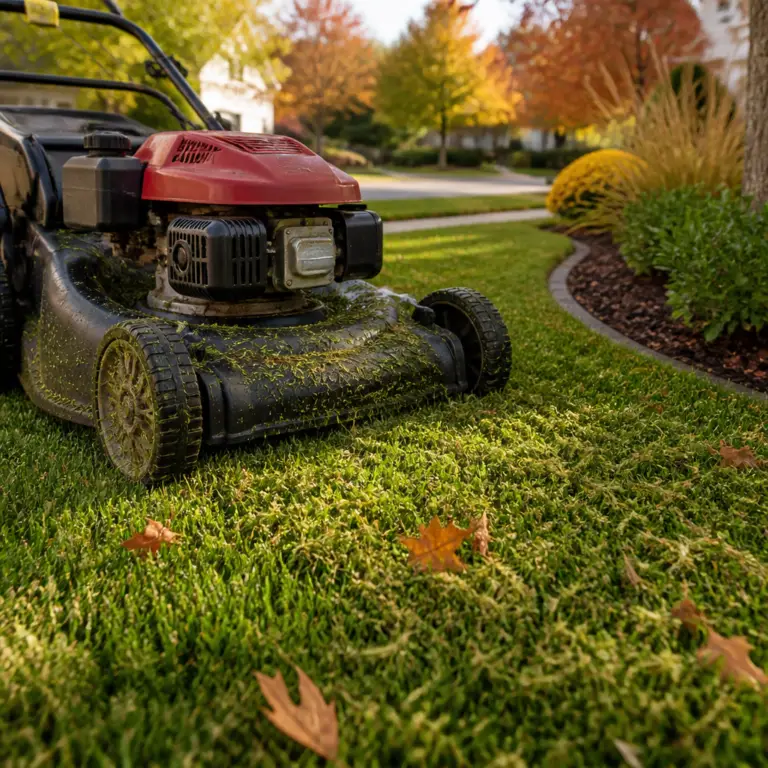
Mow first, then trim, then edge, then blow. Mowing sets the final grass height and reveals what still needs attention. After you mow, you can trim to match that height around obstacles without having to guess. Edging comes next to define sidewalks and bed borders. A full blow-off is the last step, so hard surfaces are clean.
This order prevents scalping and keeps everything uniform. It is also the fastest way to a lawn that looks even and well-kept across the entire property.
How to trim around trees without damage
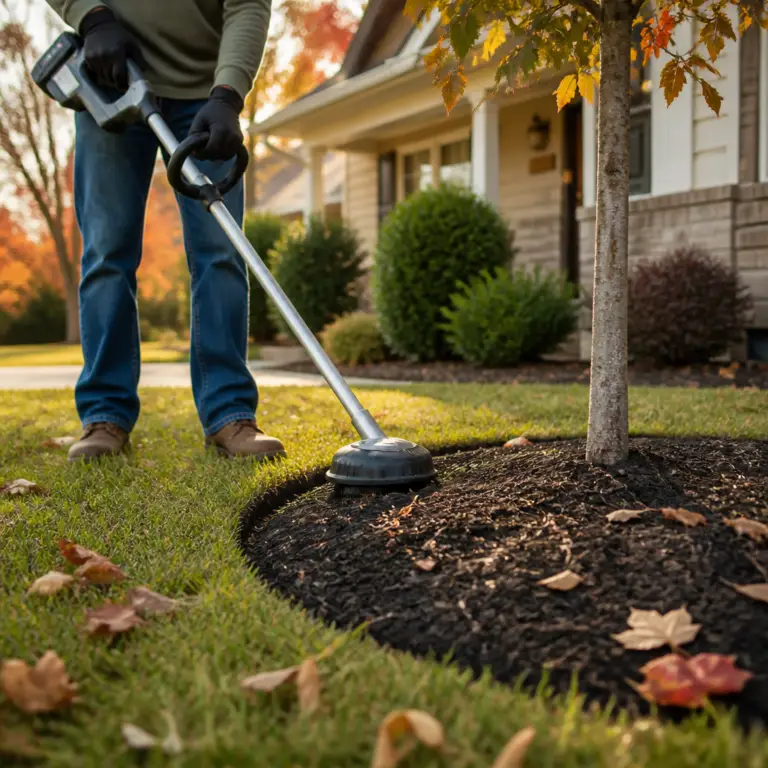
Tree bark is living tissue. Repeated string contact can girdle a trunk, restricting water and nutrients. Protect trees and keep your lawn tidy with these habits:
- Create a mulch ring 2 to 3 feet wide around each trunk so you are trimming grass, not bark. Keep mulch off the trunk flare.
- Hold the trimmer level and parallel to the ground. Do not tilt the head toward the trunk.
- Reduce throttle as you approach bark. Let the line glide lightly through the grass tips.
- Keep a safe buffer. Aim to leave a thumbnail of grass near the bark rather than shaving to bare soil.
If grass keeps invading the trunk line, expand the mulch ring slightly and reestablish a clean bed edge. This looks finished and removes the temptation to over-trim.
Smart trimming around sprinkler heads
Irrigation heads are easy to nick. A quick pass with the wrong angle can crack plastic and misalign spray patterns. To avoid problems:
- Find heads before you start. Note their locations while mowing so you approach carefully during trimming.
- Keep the head level. Trim to the turf height, not lower. Never scalp a moat around the head.
- Use light passes. Short bursts at lower throttle reduce the chance of contact.
- Consider a protective collar if a head sits in a high-traffic area or beside a dog path.
When heads sit within a bed or near a border, a clean mulch edge helps keep them visible and safe.
Fence lines, beds, and hardscape edges
Fence lines collect growth that mowers cannot touch. Keep them crisp without chewing posts:
- Work with the line spinning away from the fence whenever possible so debris ejects outward and the string does not snag.
- Use steady, overlapping passes at mowing height. Do not chase every stray blade with the head tilted.
- For rock or brick borders, keep the line just above the surface and slow down to prevent chipping.
Along sidewalks, driveways, and curbs, a dedicated edger creates the sharp vertical cut that signals a manicured property. Follow with a light trim pass, if needed, to blend the grass height back into the lawn.
Line choice, speed, and height
The right line and throttle matter as much as your angle:
- Use a quality round or slight-twist line for general turf. Square or star lines can be more aggressive and may increase the risk of scalping near delicate areas.
- Keep the throttle high enough for a clean cut, but ease off near obstacles. High RPM with a leveled head makes cleaner tips that heal faster.
- Match your trim height to the current mowing height. In summer, Pike Road lawns typically benefit from taller cuts that shade the soil and reduce weed pressure. Trimming should respect that canopy.
Commercial-grade tools help here. Waters Edge runs Stihl trimmers and a stand-up mower that fits through tight gates, which keeps the finish even from the front yard to the back.
Why trimming plus mowing equals a manicured look
Mowing alone leaves halos around trees and a ragged border along hardscape. Trimming evens those areas so the surface reads as one carpet. Pair that with crisp edging and a thorough blow-off, and the lawn looks intentional, not just shorter.
That is our standard sequence on recurring routes across The Waters, Woodland Creek, Bridlebrook Farms, Boykin Lakes, and more. It is also why clients notice the difference between a cut and a manicure after the first visit.
For property owners planning upgrades, a fresh bed edge and ground cover can elevate the whole yard. See how edging and a mulch refresh work together in our note on landscape renovation edging in Pike Road for a stronger outline and cleaner transitions.
Pro touch where it counts
Waters Edge Lawn Care is a one-person, detail-led operation. JC Harris, a local from Pike Road, handles your yard personally. You get consistent technique, careful trim heights, and the same set of eyes every visit. Routine service includes mowing at the correct height, precise trimming, crisp edging, and a clean blow-off so drives, patios, and sidewalks are clear.
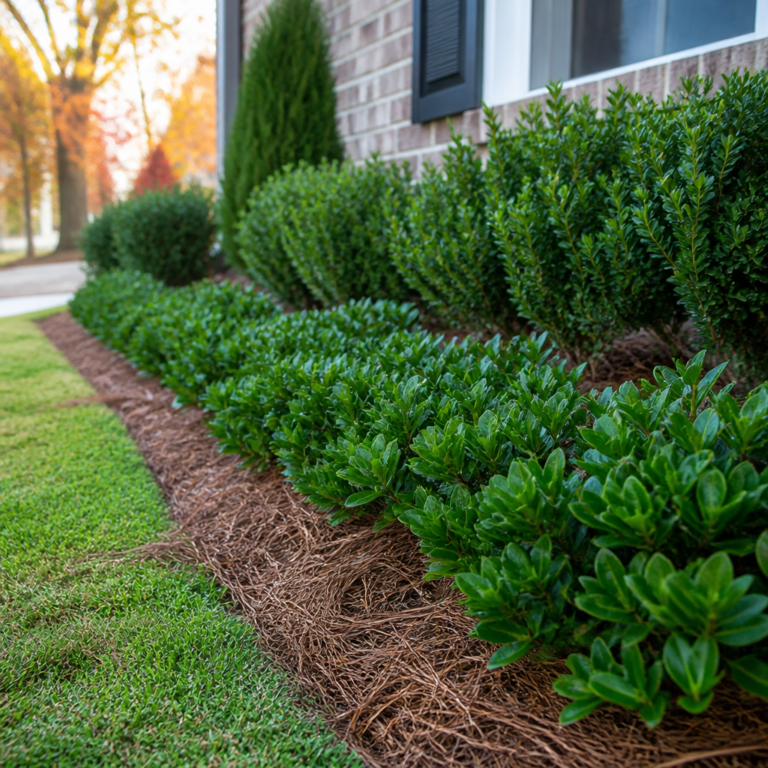
If your beds look tired, we can add mulch or pine straw with a tucked border for a quick curb-appeal lift. Learn more about our mulch and pine straw work if your beds need a reset this season.
FAQ: quick answers
- Should you mow or trim first? Mow first, then trim, then edge, then blow. This keeps height consistent and prevents scalping.
- How do you avoid damaging trees while trimming? Use a mulch ring, keep the head level, lower the throttle near bark, and leave a small buffer of grass instead of shaving the soil.
- How do you protect sprinkler heads? Spot them in advance, trim level with the turf, use light passes, and consider collars in high-traffic areas.
- What is full-service lawn care? For most Pike Road homes, it means recurring mowing at the right height, detail trimming around obstacles, crisp edging along hardscape and beds, and full cleanup. Add seasonal shrub shaping, tree trimming, and bed refreshes as needed.
Ready for a polished finish every visit?
If you want dependable Pike Road mowing and trimming with commercial-grade equipment and meticulous attention to detail, we are ready to help. Request your free lawn care estimate, and we will walk the property, answer your questions, and provide a no-obligation, itemized quote tailored to your yard.
Waters Edge serves Pike Road and nearby communities, including The Waters, Boykin Lakes, Bridlebrook Farms, Woodland Creek, Stone Park, Bon Terre, The Orchards, Everley, and more. Looking for a seasonal reset first? Our mid-summer cleanup guide explains how a one-time visit can reopen the lawn and restore your edges before the late season.
Summary
Trim after you mow, keep the head level, slow down near trees and irrigation, and match the trim height to the mowing height. Add defined edging and a clean blow-off, and your lawn moves from cut to manicured. When you want to finish without the hassle, contact Waters Edge Lawn Care for reliable, route-based service in Pike Road. We will keep your lines crisp, your trees protected, and your curb appeal strong all season.