
August in Alabama is not a test of your lawn’s beauty. It is a test of its survival. Soil temperatures in central Alabama regularly climb well above 85°F during August, and air temperatures pushing past 95°F are routine, not exceptional. At that point, even the warm-season grasses that dominate Pike Road yards, including Bermuda, zoysia, and St. Augustine, are under real physiological stress. Most homeowners make the heat worse by doing too much: over-watering at the wrong time, mowing too short, or reaching for fertilizer to force green back into a lawn that is simply trying to survive. Smart Alabama summer lawn care means knowing when to act and, just as importantly, when to stop.
Table of Contents
- Quick Takeaways
- What Extreme Heat Actually Does to Alabama Grass
- Watering Right During August
- Mowing Height and Frequency in Heat
- Fertilizing and What to Skip
- Lawn Health Tips: August Pests and Disease Risks
- Comparing Heat Management Approaches
- When to Call a Professional
- Frequently Asked Questions
- References
Quick Takeaways
| Key Insight | Explanation |
|---|---|
| Water early, not often | Water before 10 a.m. to minimize evaporation and keep blades dry at night, which prevents fungal disease. |
| Raise your mower deck | Cutting Bermuda or zoysia too short in August exposes soil to direct sun, accelerating moisture loss and scalding roots. |
| Skip August fertilizer | Nitrogen pushes tender new growth that wilts immediately in extreme heat, adding stress instead of helping recovery. |
| Brown does not mean dead | Warm-season grasses showing stress color can recover quickly once heat breaks and water returns, so avoid panic-watering. |
| Watch for chinch bugs and armyworms | Insect pressure peaks during heat waves; damage looks like drought stress and is often misdiagnosed until patches spread fast. |
| Avoid foot traffic on stressed turf | Compaction on heat-stressed grass damages crowns that are already running on minimal reserves. |
| Deep, infrequent irrigation beats shallow daily watering | Shallow watering keeps roots near the surface where soil is hottest. Deep irrigation pushes roots down to cooler soil zones. |
What Extreme Heat Actually Does to Alabama Grass
Most yards in Pike Road and the surrounding communities are planted with warm-season grasses, primarily Bermuda, zoysia, and St. Augustine. These grasses evolved for hot weather. Bermuda actually thrives between 80°F and 95°F air temperature and prefers soil temperatures above 65°F. But that does not make them immune to August damage.
When soil temperatures exceed 85°F for extended stretches, even warm-season grasses start burning more resources than they can replace. Water demand spikes sharply. A Bermuda lawn that needed roughly one inch of water per week in June may need closer to two inches during a prolonged heat event. Miss that adjustment and the grass browns, weakens, and becomes vulnerable to pests and disease, even though it has not technically gone dormant the way cool-season grasses do.
St. Augustine is the most heat-tolerant in terms of shade and foot traffic, but it is also the most susceptible to lawn care heat stress damage from chinch bugs, which thrive in high temperatures. Zoysia handles heat well but recovers slowly from any damage once stressed. Bermuda is the most resilient of the three and bounces back fastest when conditions improve, but it still suffers when water is withheld during peak heat.
The lawn that walks out of a heat wave healthy is the one you protected, not the one you tried to green up.
The single most important concept for surviving Alabama’s August heat is protecting the crown, which is the growing point at the soil surface at the base of each grass plant. The crown is what generates new blades, and it is what must stay alive through the stress period. Everything else in summer lawn management flows from that goal.


Watering Right During August
Timing and depth matter far more than total volume. Watering in the early morning, before 10 a.m., is the correct approach for Alabama summer lawn care. At that hour, temperatures and wind are lower, evaporation is reduced, and the water reaches roots rather than vanishing from the surface. It also allows blades to dry completely before nightfall, which is critical for preventing brown patch and other fungal diseases that explode when grass stays wet overnight in humid Alabama summers.
Deep and Infrequent vs. Shallow and Daily
Shallow, daily watering is one of the most common mistakes homeowners make during August. It keeps roots concentrated near the surface, which is exactly where soil temperatures are highest. Deep, infrequent irrigation, meaning water applied slowly enough to penetrate several inches into the soil profile, trains roots to grow downward into cooler, more stable ground. In practice, watering two to three times per week deeply is almost always better than a light daily spray.
A simple check: push a screwdriver into the soil after watering. If it slides in easily to about six inches, you have watered deeply enough. If it stops at two or three inches, your irrigation run times need to increase.
Pro tip: If you run a sprinkler system, place empty tuna cans around the yard during an irrigation cycle to measure output. You want at least one inch collected per session. Many systems that homeowners assume are adequate are actually applying only half that amount.
What to Do When There Are Water Restrictions
Some Alabama municipalities issue watering restrictions during drought periods. If you face restrictions, prioritize watering during the coolest allowed window and accept some stress color in the lawn rather than watering at midday, which wastes more water through evaporation than it delivers to roots. A lawn showing stress color is not a dead lawn. It is a lawn conserving resources, and it will recover once heat and restrictions ease.
Mowing Height and Frequency in Heat
Mowing decisions in August have more impact on lawn health than most homeowners realize. The instinct to mow more often to keep things looking neat is exactly the wrong approach during heat stress.
Raise the Deck
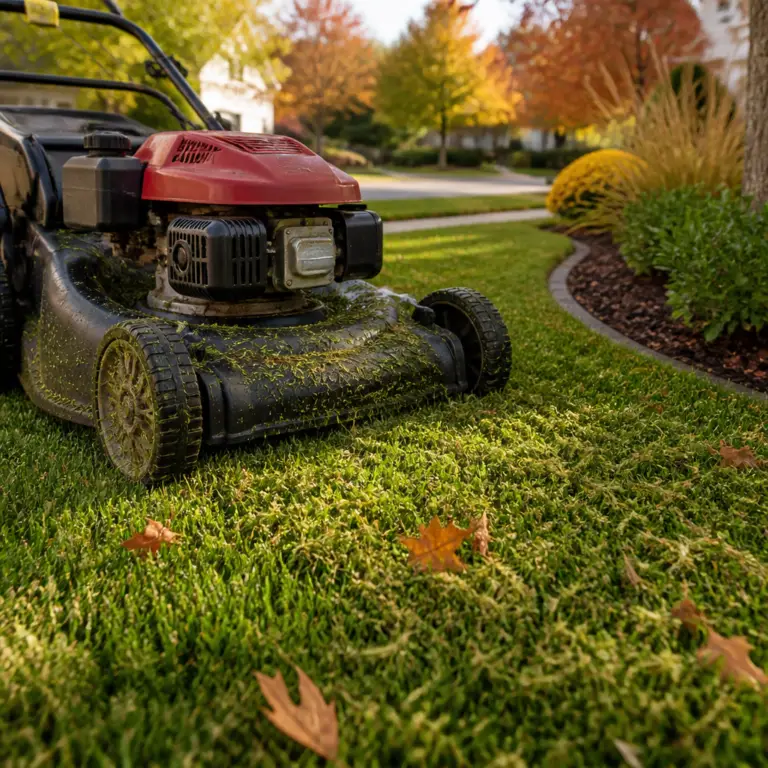
Taller grass blades shade the soil surface. That shade reduces soil temperature, slows moisture evaporation, and protects the crown from direct heat. For Bermuda grass, which is typically kept between one and two inches, consider raising the deck to the higher end of that range during August. For St. Augustine, which is generally cut between two and a half and four inches, err toward the taller setting. For zoysia, aim for the upper limit of its normal range as well.
Cutting too short in August exposes bare soil to direct afternoon sun. In Pike Road’s summer climate, that exposed soil can reach temperatures that physically damage crowns and kill soil microbes that support root health.
Mow Less Often and Only When Dry
Avoid mowing when temperatures exceed 85°F if at all possible. Early morning mowing is preferable, though the very best window is a cooler day when temperatures are slightly lower. If the lawn has not grown significantly due to heat stress, do not mow just to maintain a schedule. Skipping a week of mowing during a brutal heat stretch is far better than cutting stressed grass short.
Always use sharp mower blades. Dull blades tear grass rather than cutting it cleanly, leaving ragged edges that lose moisture faster and create entry points for disease. This matters year-round but is especially damaging during August when the grass has no reserves to repair itself quickly.
Pro tip: Never remove more than one-third of the blade height in a single mowing session. If the heat has slowed growth so much that you have skipped two weeks and the lawn is now longer than usual, gradually step the height back down over two or three mowing sessions rather than dropping it all at once.

Fertilizing and What to Skip
August is not a fertilizing month in Alabama. This is one of the clearest rules in warm-season lawn care and one of the most frequently broken by homeowners who see stress color and assume the lawn needs feeding.
Nitrogen fertilizer pushes new, tender growth. Tender new growth in 98°F heat wilts, burns, and places additional demand on a root system that is already working at maximum capacity just to maintain the existing plant. That forced growth does not green the lawn up. It weakens it. A lawn that is fertilized during a heat wave is more likely to suffer lasting damage than one that is left alone.
When to Resume Fertilizing
For Bermuda and zoysia in Alabama, the appropriate window for late-season fertilizer applications is generally late summer into early fall, once daytime temperatures are consistently dropping and the grass has resumed active growth. Attempting to push recovery with fertilizer before that growth has naturally resumed is premature and counterproductive.
If you want to do something useful for your lawn’s soil during August, a light top-dressing of compost can improve moisture retention without triggering the harmful growth surge that nitrogen causes. It is a passive improvement that works with the heat rather than against it.
Lawn Health Tips: August Pests and Disease Risks
August intensifies both pest and disease pressure. Heat-stressed grass has weakened defenses and recovers slowly from damage that healthy turf would shrug off. Catching problems early is the difference between a treatable spot and a large-scale renovation project in the fall.
Chinch Bugs on St. Augustine
Chinch bugs are the most damaging pest to St. Augustine lawns in Alabama, and they peak during hot, dry spells. They feed on grass blades near the soil surface, injecting a toxin that causes irregular yellow and brown patches. These patches are often mistaken for drought stress and treated with more water, which does nothing to address the actual cause. A simple test: press a coffee can with both ends removed into the soil at the edge of a damaged patch, fill it with water, and watch for tiny black-and-white insects floating to the surface within a few minutes. If you see them, you have chinch bugs.
Armyworms and Sod Webworms
Armyworms can devastate a Bermuda lawn in days during August. They feed at night and in the early morning, which is why damage seems to appear suddenly. Damage looks like sections of grass that appear to have been mowed very short. Check for small greenish or brownish caterpillars in the thatch layer. Sod webworms cause similar damage and are also most active during hot stretches.
Fungal Disease: Brown Patch and Take-All Root Rot
Brown patch is the most common fungal disease in Alabama summer lawns and is triggered by warm nights, high humidity, and wet grass blades. It appears as roughly circular brown patches with a darker outer ring. The fix is improving air circulation and, most importantly, adjusting irrigation timing so grass dries completely before dark. Take-all root rot is a slower-moving disease that causes yellowing and root decay, primarily in St. Augustine. It is worsened by over-fertilizing and over-watering, two habits that are already harmful for other reasons during August.
Comparing Heat Management Approaches
There are several philosophies Alabama homeowners use to manage their lawns through August. The table below compares the three most common approaches so you can see clearly what actually works and what causes harm.
| Approach | What It Involves | Outcome in Alabama August Heat |
|---|---|---|
| Crown Protection (Recommended) | Deep morning watering 2-3x per week, raised mower deck, no fertilizer, monitoring for pests | Grass may show some stress color but survives with intact crowns and roots; recovers quickly when heat breaks |
| Force-Green Approach (Common Mistake) | Daily watering, nitrogen fertilizer applied to restore color, frequent short mowing to keep lawn looking manicured | New growth wilts immediately, disease pressure increases due to wet blades, roots stay shallow, lawn may suffer lasting stand loss |
| Full Neglect | No watering, no mowing, no intervention during heat | Warm-season grasses can tolerate some neglect but prolonged lack of water during extreme heat risks crown damage and slow fall recovery; weed pressure fills in thin spots |
When to Call a Professional
There is a point in August lawn stress where DIY management is not enough, and recognizing that point early saves money compared to a full lawn renovation in October. If patches are spreading despite correct watering and mowing, if you are seeing unusual insect activity but cannot identify the culprit, or if the lawn is thinning in ways that do not match a clear drought or pest pattern, a professional assessment is the right call.
Waters Edge Lawn Care serves Pike Road and surrounding neighborhoods with the kind of hands-on attention that prevents small stress problems from becoming expensive restoration projects. A professional eye during August can identify whether what you are seeing is heat stress, a pest infestation, a fungal issue, or a combination of all three. Each of those problems has a different solution, and applying the wrong fix wastes time and money. Get a free quote and let an experienced local crew assess your yard before the damage deepens.
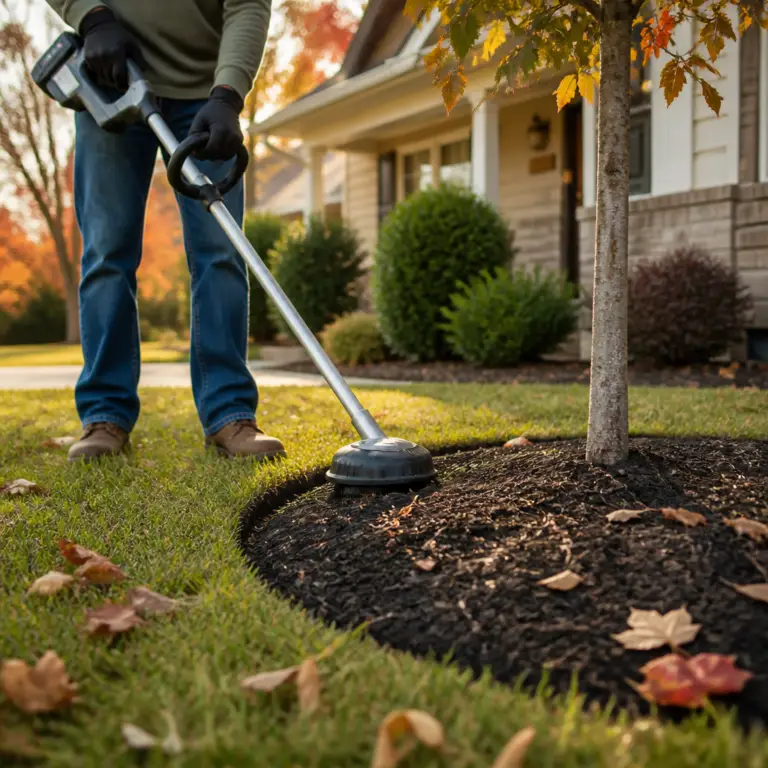
Professional lawn care during August also includes precision edging and string trimming that maintains curb appeal without stressing the turf itself. The difference between a lawn that looks manicured despite the heat and one that looks beaten up often comes down to these detail-level services, not just watering and mowing.
Frequently Asked Questions
How often should I water my lawn in Alabama during August?
Water two to three times per week, deeply enough that the water penetrates at least six inches into the soil. Daily shallow watering keeps roots near the hot surface and increases disease risk by keeping blades wet overnight. Water before 10 a.m. every time.
Is it okay to fertilize my Bermuda lawn in August if it looks pale?
No. Pale color during August heat is almost always stress-related, not a nutrient deficiency. Applying nitrogen during extreme heat forces weak new growth that the plant cannot support, which worsens the problem. Wait until temperatures cool and the grass resumes active growth before any fertilizer application.
My lawn has brown patches in August. How do I know if it is drought stress or a pest?
Drought stress tends to affect the whole lawn relatively evenly, especially in the sunniest, most exposed spots. Pest damage tends to create irregular patches that spread quickly and have a distinct edge. Pull back the grass at the edge of a patch and look for insects in the thatch. If you see caterpillars or small black-and-white bugs, you have a pest issue. If the soil is bone dry and there are no insects, the cause is most likely water stress.
What grass type handles Alabama’s August heat the best?
Bermuda grass is the most heat-resilient option for Alabama lawns in full sun. It evolved for exactly this climate, recovers quickly from stress, and handles the August heat better than St. Augustine or zoysia when properly watered. However, all three warm-season varieties will perform well with the right care. St. Augustine is the better choice for shadier yards despite being more vulnerable to chinch bugs during heat.
Can I aerate or overseed during August in Alabama?
No. Aeration punches holes in the soil and opens the crown area to additional stress at the worst possible time. Overseeding with cool-season grasses in August will result in seedling death before establishment is possible. Both of these practices belong in fall, once consistent daytime temperatures drop and the grass is recovering. Attempting either during August heat sets you back, not forward.
How do I reduce lawn care heat stress without a full irrigation system?
Use a hose-end oscillating sprinkler with a timer set to run in the early morning window before 10 a.m. Move it to cover the full yard across two or three sessions per week. The key discipline is running it long enough for deep penetration, which typically means 30 to 45 minutes per zone depending on your sprinkler output, rather than a quick pass. Check penetration with the screwdriver test after each session until you know your setup’s actual output.
What does your Alabama lawn look like in August, and which of these strategies has made the biggest difference for you? Share your experience in the comments.
References
- Expert guide to keeping lawn alive during a heat wave, including crown protection rules and warm-season grass water demand data
- Comprehensive lawn maintenance guide for extreme heat conditions covering best practices for a healthy green lawn
- Practical strategies for maintaining lawn health during summer heat, including mowing, watering, and grass species selection