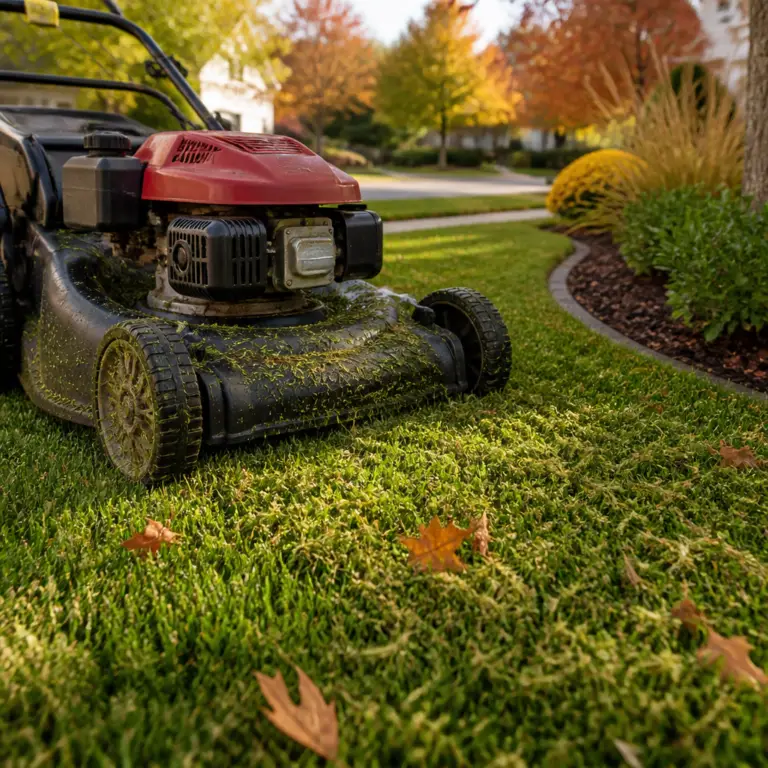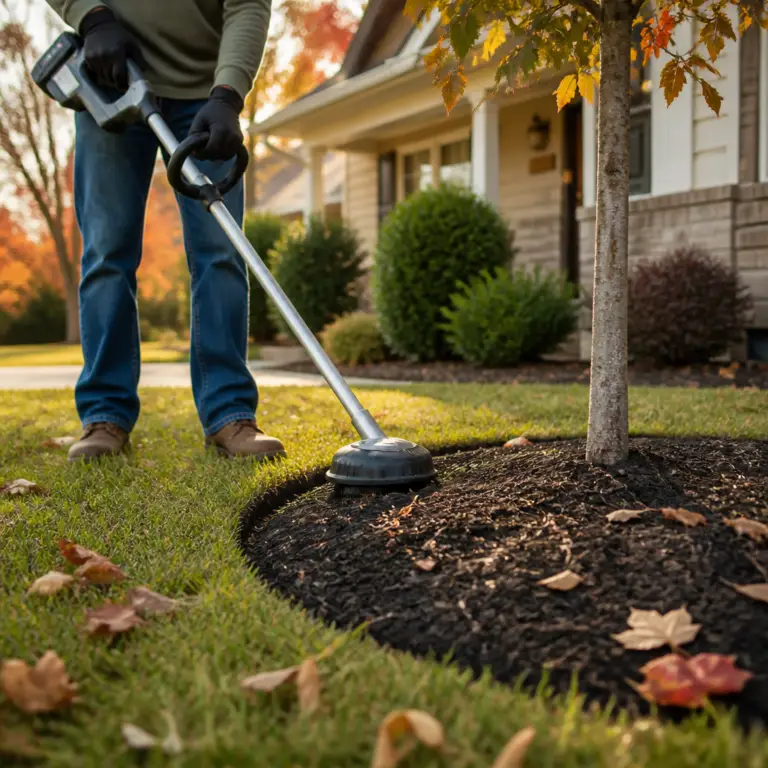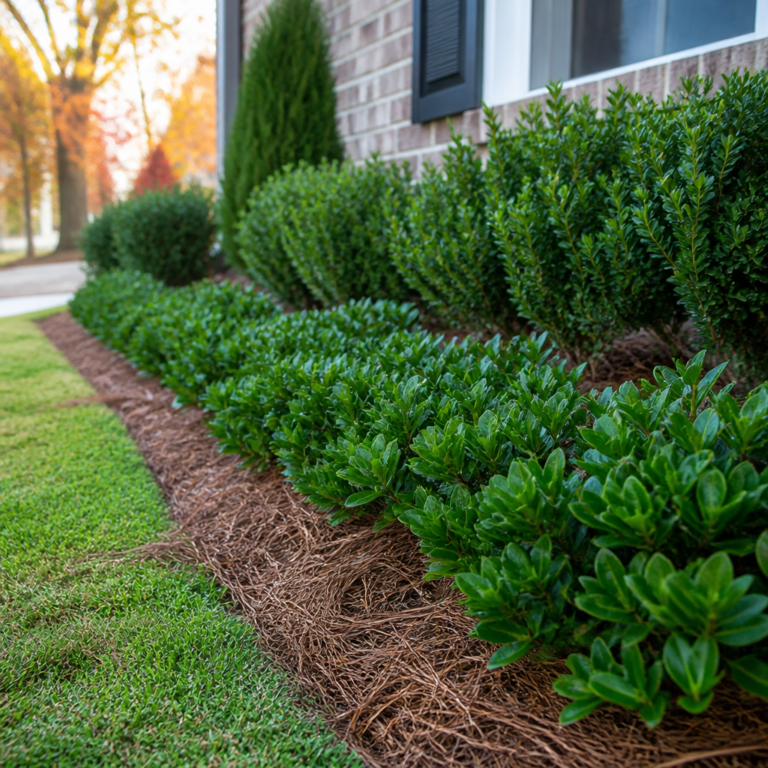

It’s August in Pike Road, and the “dog days of summer” are officially here. If you’ve stepped outside today, you know the heat is relentless. While it might be tempting to “scalp” your lawn, mowing it as short as possible so you don’t have to mow again for two weeks, you might actually be signing your lawn’s death warrant.
At Waters Edge Lawn Care, we see it every August: beautiful lawns in neighborhoods like Bon Terre and Lochshire suddenly turning brown and patchy. The culprit isn’t usually a lack of water; it’s a mower blade that is set too low for the Alabama heat.
The “Sunblock” Effect
Think of your grass blades as tiny solar panels. They don’t just produce food for the plant; they also provide shade. In the peak of an Alabama August, the soil temperature can be 15–20 degrees hotter than the air temperature.
- Taller Grass: Keeps the soil shaded, preserving moisture and protecting the delicate root system from “cooking” in the clay.
- Short Grass: Exposes the soil directly to the sun, leading to rapid evaporation and root stress.
The 1/3 Rule: A Pike Road Standard
The golden rule of lawn care—especially in the transition zone of Central Alabama—is to never remove more than one-third of the grass blade at a time. If you let your grass grow long and then hack it down to the soil, you put the plant into a state of shock. In the spring, grass can recover from this quickly. In August? It might stay brown until the following April.
Specific Heights for Pike Road Turf
Different grasses have different “comfort zones.” Here is where you should set your mower height during these final weeks of summer:
- Bermuda Grass: 1.5 to 2.5 inches. While Bermuda likes to be kept shorter than other grasses, giving it that extra half-inch in August helps it retain the nutrients it needs to survive the coming winter.
- Zoysia Grass: 2 to 3 inches. Zoysia is a premium turf often found in the newer estates of Pike Road. It grows slower than Bermuda, so “scalping” it in August means it won’t have time to recover before dormancy.
- Centipede Grass: 1.5 to 2 inches. Centipede is sensitive; mowing it too short can cause “Centipede Decline,” a condition that is very difficult to reverse.
Dull Blades vs. The August Heat
It’s not just about the height; it’s about the cut. By August, most mower blades have hit a few rocks or hidden roots. A dull blade doesn’t cut the grass; it tears it. These jagged, torn edges turn white or brown, giving your entire lawn a “dusty” or “bleached” look. In the high humidity of a Pike Road August, these torn edges are also open wounds where fungus can enter the plant.
The Weed Connection
Nature abhors a vacuum. When you mow too short, you thin out the grass canopy and let sunlight reach the soil. This triggers the germination of late-summer weeds like Spurge and Crabgrass. A taller, thicker lawn is your best organic defense against the invaders we discussed in our July Weed Guide: Summer Weeds and How to Win the Battle.
Let the Pros Handle the Heat
Mowing in 95-degree weather isn’t just hard on your lawn; it’s hard on you. At Waters Edge Lawn Care, we adjust our commercial mower heights throughout the season to match the specific needs of the Pike Road climate. We ensure our blades are sharpened daily to provide a clean, healthy cut that helps your lawn thrive, even during an August heatwave.