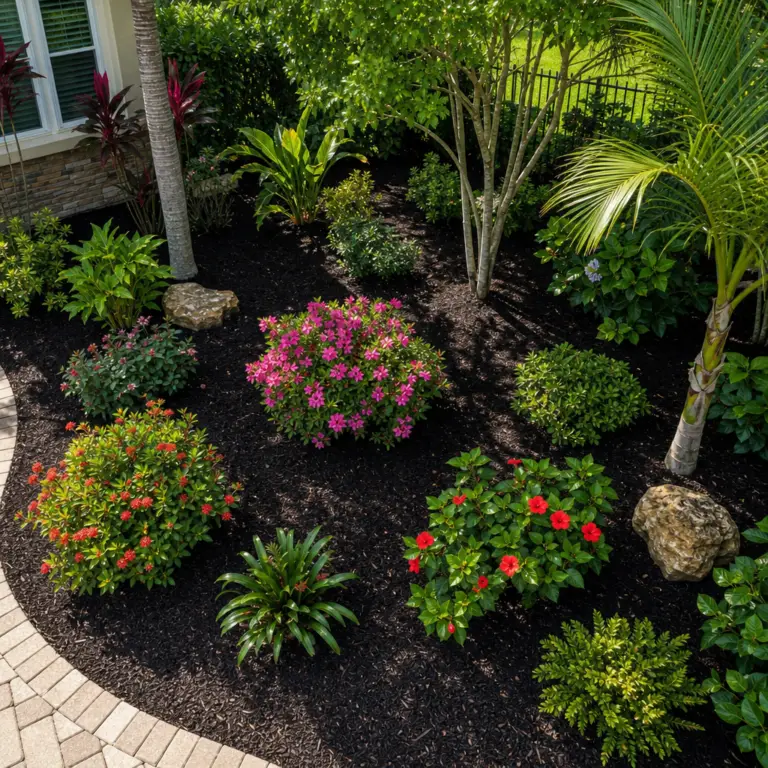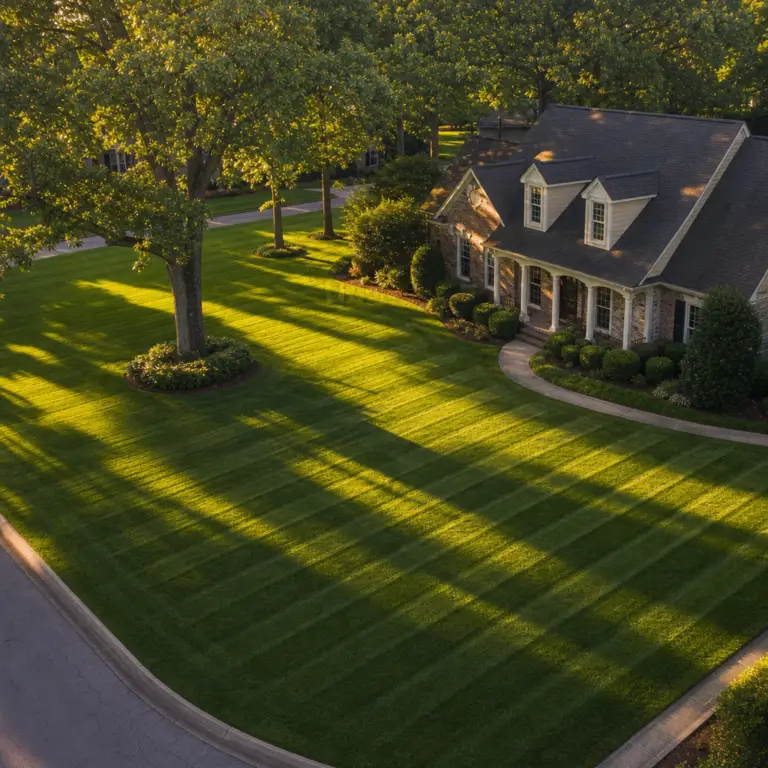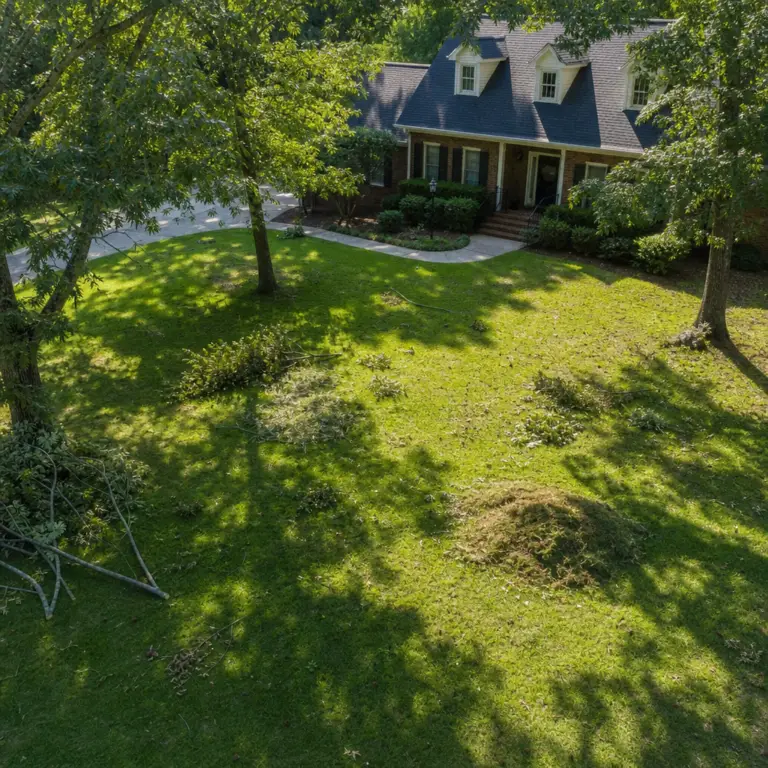
Most homeowners in Pike Road, Alabama underestimate how much the wrong shrub in the wrong spot can cost them. A poorly placed Leyland cypress blocks a window within three years. An azalea planted in full sun looks stunning at the nursery and dead by August. Shrub planting in Pike Road, Alabama is not simply a matter of digging a hole and hoping for the best. Alabama’s clay-heavy soils, brutal summer heat, and unpredictable late frosts create conditions that punish guesswork and reward deliberate planning. This guide gives you the exact practices that produce a polished, healthy front yard without wasting money on plants that were doomed from day one.
Table of Contents
- Quick Takeaways
- Why Alabama Soil Changes Everything
- Best Shrubs for Pike Road Front Yards
- Timing Your Planting for Alabama Seasons
- Step-by-Step Shrub Planting Method
- Comparing Shrub Placement Strategies
- Maintenance After Planting
- Common Mistakes Pike Road Homeowners Make
- Frequently Asked Questions
- References
Quick Takeaways
| Key Insight | Explanation |
|---|---|
| Fall is the optimal planting window in Alabama | Planting from October through November lets roots establish before summer heat arrives, reducing transplant stress significantly. |
| Alabama clay soil requires amendment before planting | Native clay drains poorly and suffocates roots. Mixing in composted pine bark at a 1:1 ratio improves drainage and aeration immediately. |
| Plant shrubs 2 to 3 times wider than the root ball | Wide holes loosen surrounding soil, which encourages lateral root spread and faster establishment in Alabama’s dense subsoil. |
| Native and adapted shrubs outperform imports in Alabama heat | Plants like native azaleas, oakleaf hydrangeas, and Virginia sweetspire survive USDA Zone 8 summers without heroic intervention. |
| Mulching to 3 inches retains moisture during Alabama summers | Mulch reduces soil temperature by up to 10 degrees Fahrenheit and cuts supplemental watering needs by roughly 25 percent. |
| Proper spacing prevents overcrowding and disease | Shrubs planted too close develop poor airflow, leading to fungal issues that are common in Alabama’s humid climate. |
| A front yard plan should balance height tiers | Low-growing groundcover shrubs in front, mid-size shrubs in the middle, and taller specimens anchoring corners creates depth and structure. |
Why Alabama Soil Changes Everything
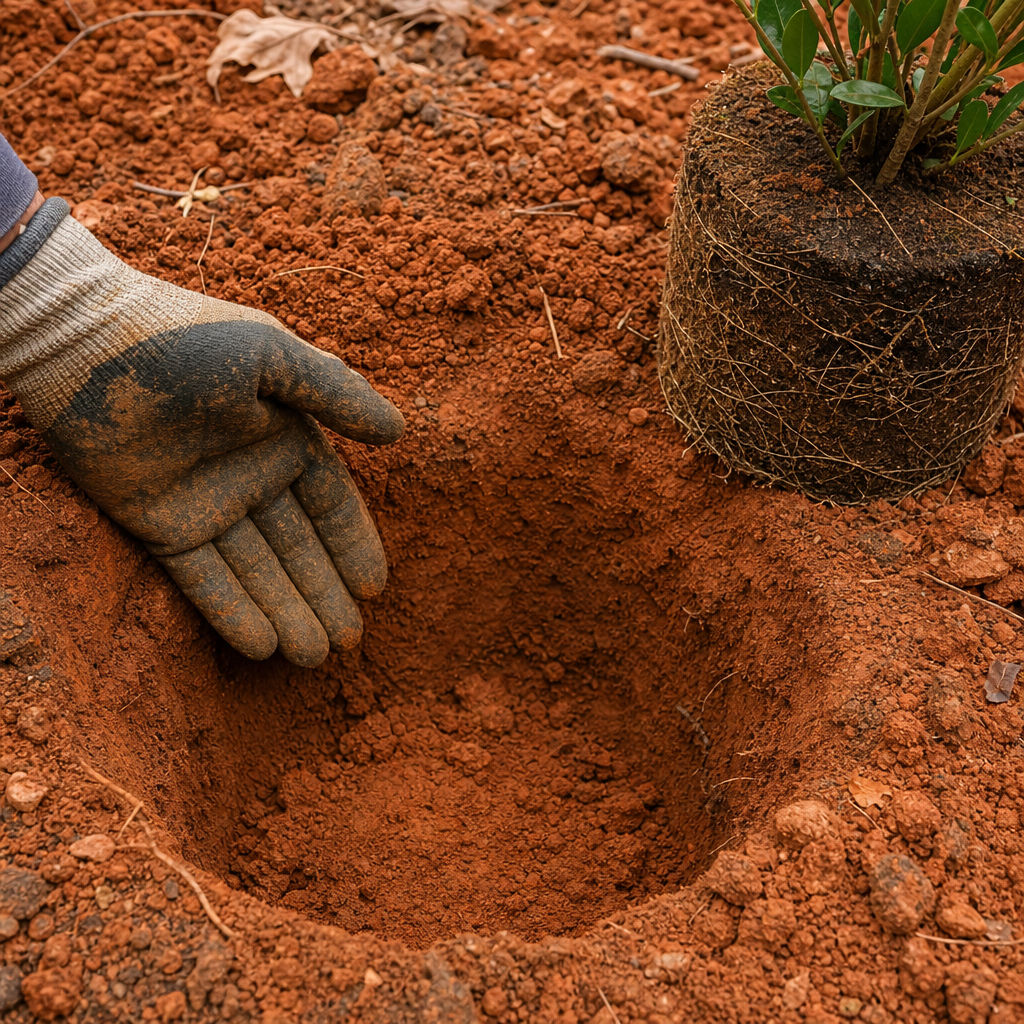
Pike Road sits in Montgomery County, where the dominant soil type is a red clay loam. This soil compacts easily, drains slowly, and becomes almost concrete-hard during summer droughts. Before you place a single shrub in the ground, you need to understand what you are working with.
The Alabama Cooperative Extension System reports that most central Alabama soils have a pH range of 5.0 to 6.5. Many ornamental shrubs prefer a pH between 5.5 and 6.5, which means your soil may be borderline acceptable or actively hostile depending on the specific plant. Conducting a soil test through the Auburn University soil lab before planting is not optional if you want predictable results. A test costs roughly $7 to $15 and tells you exactly what amendments your soil needs.
Drainage is the variable that kills more Alabama shrubs than drought does. When heavy clay holds water around a root ball for days after rain, roots suffocate and rot. The fix is to amend planting holes with composted pine bark, not sand. Adding sand to clay creates a soil texture similar to concrete, a mistake so common it deserves its own warning.
Pro tip: Dig your planting hole and fill it with water before planting. If the water drains in under 30 minutes, your drainage is acceptable. If it sits for an hour or more, you need to either amend heavily or select shrubs rated for wet conditions, such as buttonbush or swamp rose.
Best Shrubs for Pike Road Front Yards
Pike Road falls within USDA Plant Hardiness Zone 8a, with average minimum winter temperatures between 10 and 15 degrees Fahrenheit. This opens the door to a wide selection of shrubs, but it does not mean all options perform equally in front yard settings where heat, drought, and curb appeal all matter at the same time.
Top Native and Adapted Shrubs for Central Alabama
The oakleaf hydrangea is one of the strongest performers in central Alabama front yards. It tolerates partial shade, survives drought once established, produces dramatic white flowers in late spring, and offers exceptional fall foliage color. It grows 6 to 8 feet tall and wide, making it a strong corner anchor plant.
Indian hawthorn is a go-to choice for low-maintenance foundation plantings. It stays compact at 3 to 5 feet, handles full Alabama sun without complaint, and produces pink or white spring flowers. It also tolerates moderate drought and requires almost no pruning to stay tidy. For homeowners who want a polished look without constant maintenance, this is a reliable pick.
Loropetalum (Chinese fringe flower) has become one of the most popular landscaping shrubs in Alabama for good reason. The purple-leaved varieties hold their color through summer heat, grow quickly into a defined shape, and produce small pink flowers in spring. They work well as hedges, foundation plants, and specimen plantings alike.
For flowering color, native azaleas and Encore azalea series varieties perform far better in Pike Road than the exotic Kurume hybrids that struggle with Alabama root rot. Encore varieties rebloom in fall, extending color well beyond the typical spring flush.
Avoid Leyland cypress, English boxwood in full sun, and Japanese hollies without shade protection. All three are commonly sold at Alabama nurseries but struggle in Pike Road’s combination of clay soil and Zone 8a summer temperatures.
Timing Your Planting for Alabama Seasons
The single most impactful decision in shrub planting is timing. In Pike Road, planting from mid-October through late November is the optimal window for the vast majority of ornamental shrubs. During this period, air temperatures drop and reduce stress on transplants, while soil temperatures remain warm enough for root growth to continue until January or February.
Spring planting, from March through April, works as a secondary option. The challenge is that Alabama summers arrive quickly and aggressively. A shrub planted in April has a narrow window to establish roots before June heat pushes soil temperatures above 85 degrees Fahrenheit, at which point root growth slows dramatically.
“Fall-planted shrubs in the South typically establish 30 to 50 percent faster than spring-planted equivalents because they gain an entire cool season of root development before facing summer stress.” Alabama Cooperative Extension System, Commercial Horticulture Notes
Summer planting from June through August is not recommended unless you have an irrigation system and are willing to water two to three times per week during establishment. In practice, most shrubs planted during Pike Road summers without consistent irrigation fail within the first season. The risk is simply not worth it when fall planting produces dramatically better outcomes.
Pro tip: If you must plant in spring, choose container-grown shrubs rather than balled-and-burlapped specimens. Container plants have intact root systems and recover from transplant stress significantly faster during Alabama’s compressed spring season.
Step-by-Step Shrub Planting Method
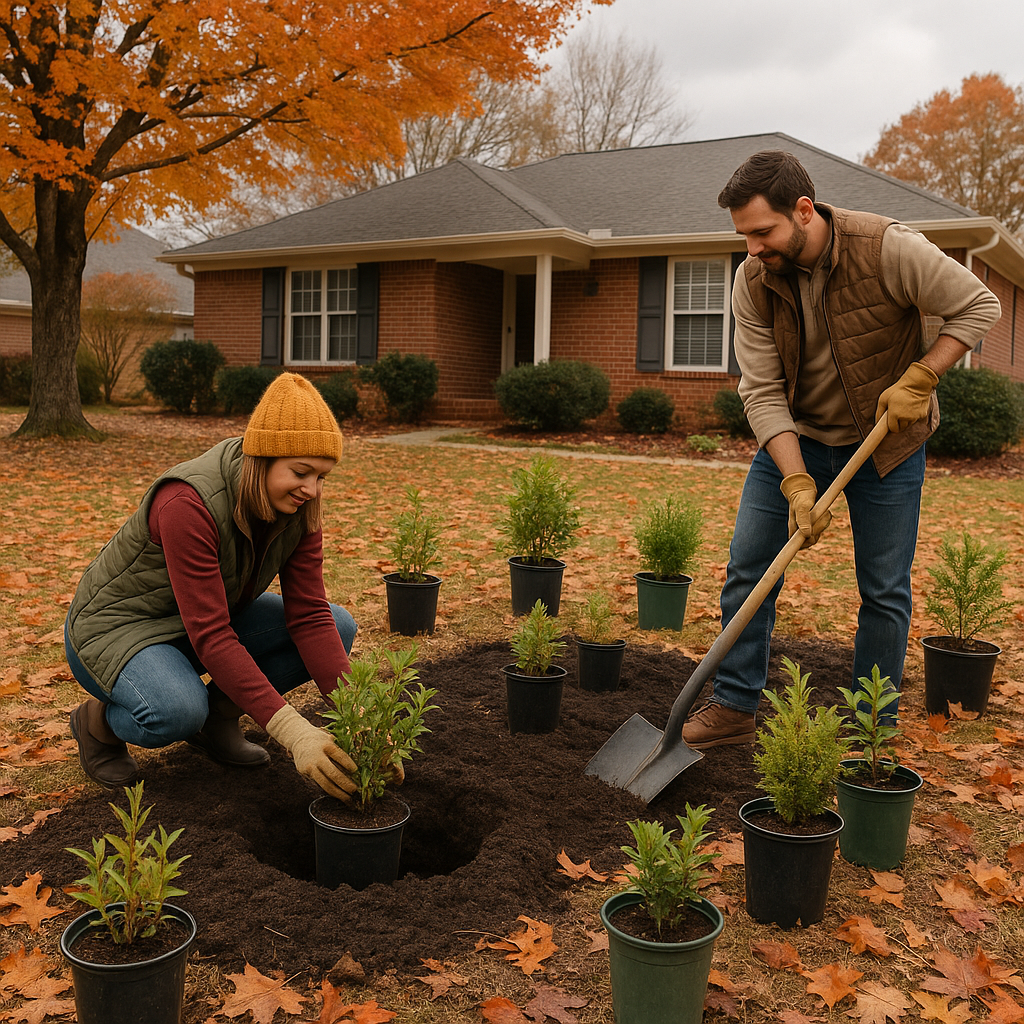
The following method is what consistently produces healthy, well-established shrubs in Pike Road’s soil conditions. Cutting corners on any of these steps tends to show up within 18 months as poor growth, dieback, or plant failure.
Digging the Right Hole
Dig your hole 2 to 3 times wider than the root ball but no deeper than the root ball’s height. Planting too deep is one of the most common causes of shrub death in Alabama. The root flare, the point where the trunk widens at soil level, must sit at or slightly above grade after backfilling. Many containerized shrubs are already too deep in their pots, so pull back the potting mix at the base of the stem to locate the actual root flare before placing the shrub.
Amending and Backfilling
Mix your native soil with composted pine bark at a ratio of roughly 1:1 by volume for clay-heavy Pike Road soils. Do not add fertilizer to the planting hole. Fertilizer in direct contact with new roots causes burn and can set establishment back by months. Backfill in stages, firming the soil gently to eliminate air pockets but not compacting it aggressively.
Watering In and Mulching
Water thoroughly immediately after planting, enough to settle the backfill and wet the entire root zone. Then apply a 3-inch layer of pine straw or hardwood mulch over the planting area. Keep mulch 2 to 3 inches away from the base of the stem to prevent collar rot, which is particularly problematic in Alabama’s humid climate.
Comparing Shrub Placement Strategies
Not all shrub planting approaches produce the same results for Pike Road front yards. The table below compares three common approaches used in central Alabama landscaping, based on practical outcomes rather than theory.
| Approach | Best Application | Results in Pike Road Conditions |
|---|---|---|
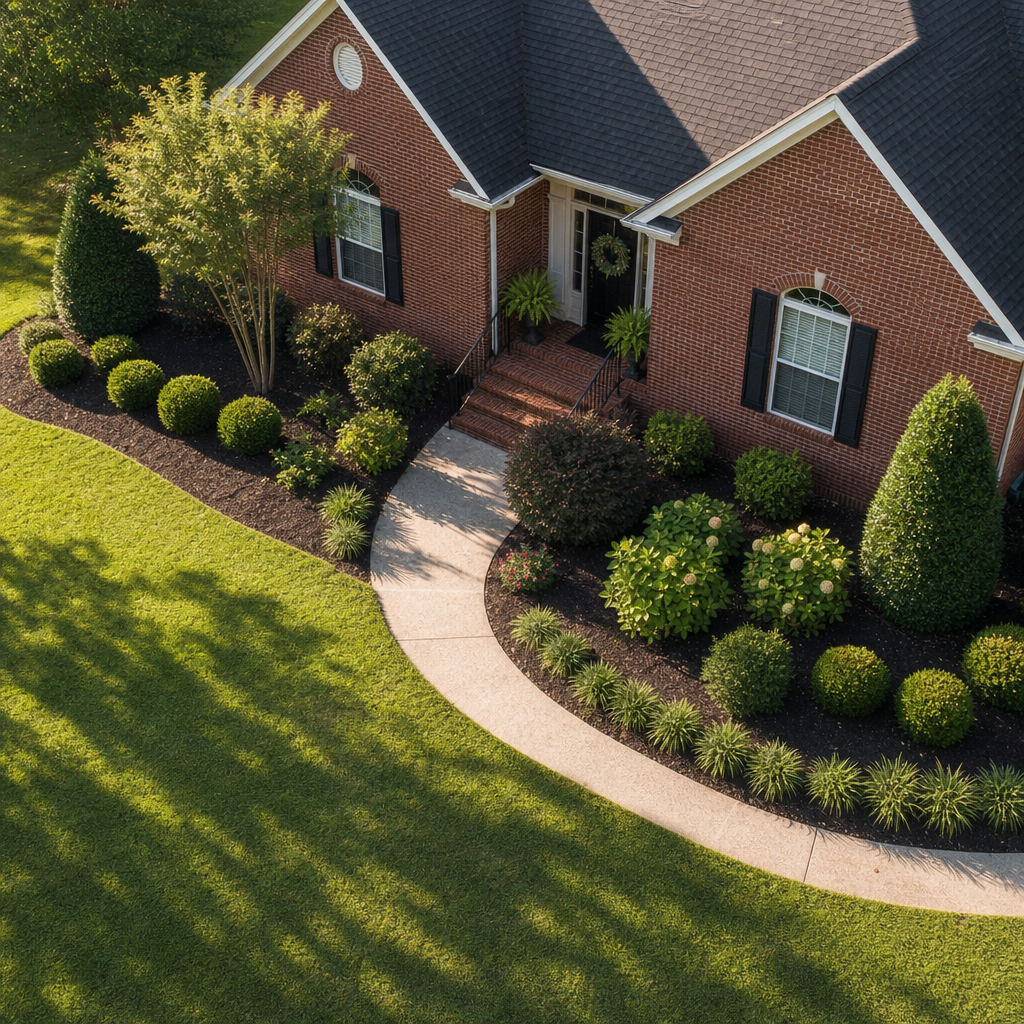
| Foundation Planting (shrubs placed along house perimeter) | Homes with exposed brick or siding that needs softening visually | Strong curb appeal when properly spaced and sized. Fails when mature size is ignored and shrubs crowd windows or siding. |
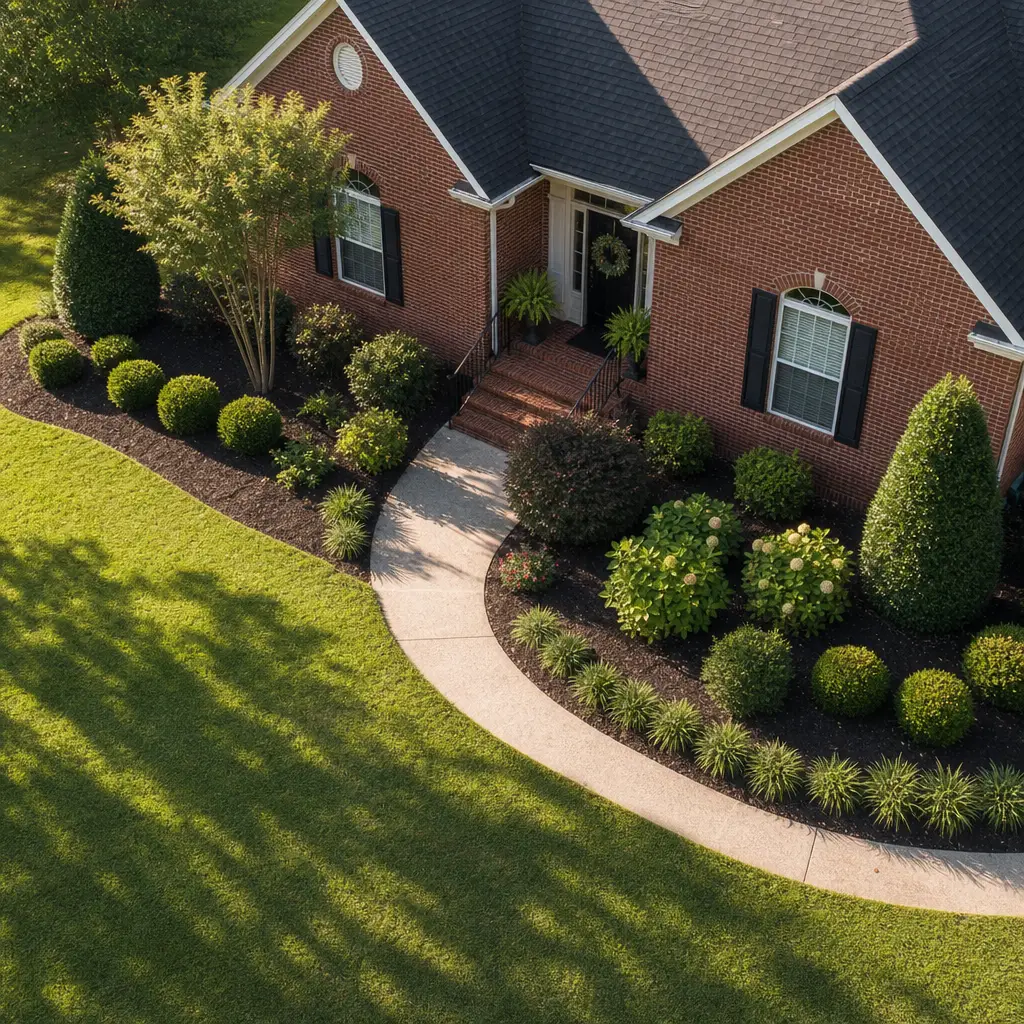
| Tiered Bed Design (low, mid, tall plants in layered rows) | Front yards with depth from street to house, subdivisions with open lawn areas | Excellent year-round structure. Requires more initial planning but produces the most polished results with minimal ongoing pruning. |
| Specimen Planting (single focal shrubs placed individually) | Corner anchors, driveway entrances, areas needing a single visual feature | Works well for oakleaf hydrangea and loropetalum. Underperforms in front yards where continuity and structure are more important than individual plants. |
The tiered bed design consistently produces the most polished front yard appearance for Pike Road residential properties. It creates visual layers that give the home depth and make the landscape look professionally planned rather than assembled plant by plant over time.
Maintenance After Planting
Planting is only the beginning. The first 12 months after planting are critical for root establishment, and this is where most homeowners either lose plants or set them back years in development through improper care.
Water newly planted shrubs deeply two to three times per week during their first Alabama summer. Deeply means applying enough water to wet the soil 8 to 10 inches below the surface, not a quick sprinkle with a hose. A slow drip for 30 to 45 minutes at the base of each shrub is more effective than overhead watering, which loses significant moisture to evaporation in Alabama’s summer heat.
Do not fertilize newly planted shrubs during their first growing season. Feeding promotes top growth before the root system is strong enough to support it. Wait until the second spring after planting, then apply a slow-release granular fertilizer formulated for ornamentals, such as a 10-10-10 or specialized azalea-camellia blend for acid-loving shrubs.
Pruning in the first year should be minimal, limited to removing dead or broken branches. Shaping cuts can wait until the shrub shows consistent healthy growth. For front yard landscaping in Pike Road, maintaining the right form and scale through annual professional trimming becomes important starting in year two. Waters Edge Lawn Care handles shrub trimming and shaping as part of ongoing landscape maintenance, which prevents the common problem of shrubs that have outgrown their space and need drastic removal.
Common Mistakes Pike Road Homeowners Make
A common mistake is choosing shrubs based on what looks good at the nursery in March rather than what performs in Pike Road’s specific climate. Nurseries stock plants that sell, not necessarily plants that thrive locally. A beautiful specimen in a pot under nursery shade looks nothing like that same plant struggling in reflected heat off a brick foundation facing west.
Another pattern that consistently produces poor results is planting too close to the house foundation. Many homeowners place shrubs 18 to 24 inches from the foundation when the mature spread of the shrub is 4 to 6 feet. Within five years, the shrub is touching the house, trapping moisture against the siding, and requiring aggressive shearing that destroys its natural form.
Ignoring irrigation during establishment is the single leading cause of shrub failure in Pike Road. Alabama receives an average of 54 inches of rainfall annually, but that rainfall is distributed unevenly, with dry periods in late summer that can last three to four weeks. New shrubs with undeveloped root systems cannot survive these gaps without supplemental water.
Finally, homeowners frequently skip the soil test and amend based on assumptions. In practice, not all Pike Road soils are identical. Soil pH and composition can vary significantly even within a single neighborhood, and the cost of getting it wrong exceeds the $10 investment in a proper test by a wide margin.
Frequently Asked Questions
What is the best time of year to plant shrubs in Pike Road, Alabama?
Fall, specifically mid-October through November, is the optimal planting window for most ornamental shrubs in Pike Road. Soil temperatures remain warm enough for root development while air temperatures drop, reducing transplant stress. Shrubs planted in fall establish root systems through winter and are far better prepared for their first Alabama summer than spring-planted equivalents.
Which shrubs require the least maintenance for Alabama front yards?
Indian hawthorn, dwarf loropetalum, and native oakleaf hydrangea are among the lowest-maintenance options for central Alabama front yards. All three tolerate Alabama’s heat and humidity, require minimal pruning when properly spaced, and resist the common fungal diseases that plague more demanding species in our climate.
How much should I water newly planted shrubs in summer?
During their first Alabama summer, newly planted shrubs need deep watering two to three times per week. Each watering session should apply enough water to penetrate 8 to 10 inches into the soil. Overhead sprinklers are less effective than slow drip irrigation or a slow-running hose at the base of each plant, because Alabama’s summer heat causes significant surface evaporation before water reaches the root zone.
Can I plant shrubs myself or should I hire a professional landscaper?
Simple plantings of three to five shrubs in prepared beds are manageable for a motivated homeowner who follows proper technique. However, larger installations that require soil amendment across a full front yard, grading adjustments, or the selection and spacing of a complete landscape design are better handled by a professional landscaping company familiar with Pike Road soil and climate conditions. Getting the layout and plant selection right from the start is significantly cheaper than removing and replacing shrubs that were planted incorrectly.
How far apart should I space front yard shrubs in Alabama?
Space shrubs based on their mature spread, not their size at planting. A shrub with a mature width of 4 feet should be planted 4 feet from center to center with neighboring plants of similar size. Placing shrubs closer creates the illusion of a full bed immediately, but within three to four years in Alabama’s growing conditions, you will have an overcrowded tangle requiring costly removal and replanting.
Do I need to fertilize shrubs in Alabama red clay soil?
Alabama red clay is often deficient in phosphorus and has variable pH that affects nutrient availability. A soil test will tell you exactly what is lacking. As a general rule, established shrubs in central Alabama benefit from a slow-release granular fertilizer applied in early spring, around late February to March, before new growth begins. Avoid fertilizing after July 1, as late-season feeding promotes soft new growth that is vulnerable to cold damage during Alabama’s occasionally sharp early-winter temperature drops.
What should I do if my newly planted shrubs look wilted or stressed?
Wilting in newly planted shrubs is almost always a watering issue, either too little or too little reaching the root zone due to surface runoff. First, check soil moisture 4 to 6 inches below the surface by inserting your finger or a thin probe. If the soil is dry at that depth, increase watering frequency and duration. If it is saturated and has been for several days, you may have a drainage problem that requires raising the planting grade or choosing more water-tolerant species. Do not apply fertilizer to stressed plants, as this will worsen the condition.
If you have planted shrubs in Pike Road or are planning your front yard landscaping, share what has worked or what challenges you ran into in your specific neighborhood. Local experience from homeowners in this area is genuinely useful information for others tackling the same conditions.
We would love your feedback and any insights you would share with others. What perspective would you add?
References
- Alabama Cooperative Extension System, Auburn University, covering soil health and ornamental horticulture best practices for Alabama homeowners
- USDA Agricultural Research Service, providing USDA Plant Hardiness Zone maps and climate data used to select appropriate plants for central Alabama
- Purdue Extension, covering research-based guidance on proper shrub planting techniques, soil amendment, and post-planting care
- Forbes Home and Garden section, featuring expert-reviewed guidance on landscape design value and return on investment for residential curb appeal improvements
- Statista, providing market data on the U.S. lawn care and landscaping industry including consumer spending trends and regional service demand